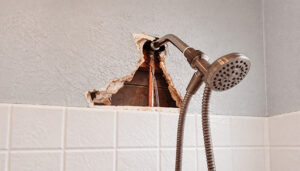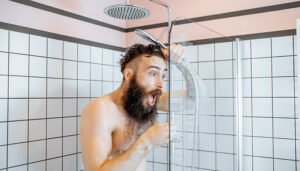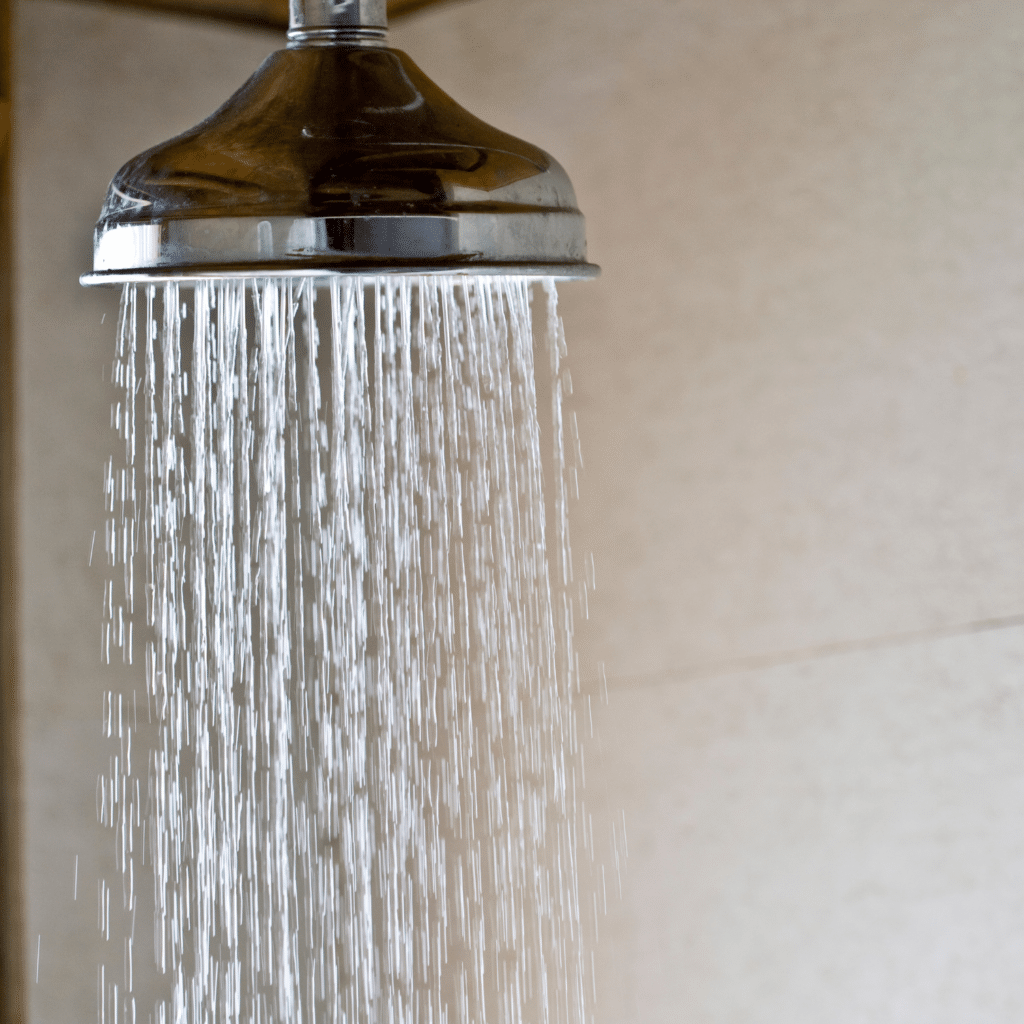
A disappointing trickle instead of an invigorating stream might greet you during your morning shower. Low shower water pressure can transform your refreshing routine into a frustrating experience.
Your shower’s water pressure affects everything from hair washing to proper soap rinsing. Australia’s ideal shower water pressure typically ranges between 300 and 500 kPa. A reading below 300 kPa indicates low pressure that compromises your shower’s performance and suggests potential plumbing problems. Expert plumbers recommend water pressure between 46-60 psi for household use.
You can detect low water pressure with a simple test. Fill a jug with water – a filling time longer than 6 seconds points to pressure problems. The root cause often lies in your home’s main water pressure control valve or water meter valve.
In this piece, you’ll discover the mechanisms behind low shower pressure, learn to test your home’s pressure levels, and see how G.A. Perry’s professional plumbing services can restore optimal water flow throughout your home.
What Is the Ideal Water Pressure for a Home?
Water pressure is the foundation of your home’s plumbing system. It acts as the force that moves water through pipes and out of fixtures. Your home’s water system needs the right pressure to work properly and keep you comfortable.
Why water pressure matters for daily use
The right water pressure affects everything you do at home. Your morning shower feels great, dishes get clean, and laundry finishes on time when pressure levels are right. The right pressure helps your water-based appliances work better and keeps your plumbing system lasting longer.
Most people don’t think about water pressure until something goes wrong. This overlooked part of home maintenance affects your basic comfort and how well your house runs. The right pressure levels help you avoid weak showers and poorly rinsed clothes.
Typical pressure range for most homes
Australian homes typically need water pressure between 300 and 500 kPa (about 43-72 PSI). Plumbers say 40-60 PSI (275-415 kPa) works best, with 50 PSI being the sweet spot for many houses.
This middle range lets water flow smoothly without damaging your pipes. When pressure falls outside these ranges, you might face these problems:
- Below 300 kPa: Your taps barely drip, showers feel weak, and washing takes forever
- Above 500 kPa: Your pipes, fittings, and appliances start breaking down over time
How pressure affects showers and appliances
Your shower needs the right water pressure to work well. A pressure between 300-500 kPa gives you the best shower experience.
Your appliances also need steady pressure to work right. Dishwashers and washing machines run longer cycles when the pressure is too low. This wastes electricity and wears out parts faster. Water heaters struggle with low pressure, too, which means lukewarm showers and poor performance.
The right water pressure helps your plumbing system last longer. Your pipes, valves, and fixtures stay in better shape when pressure stays in check. A well-regulated system saves resources and keeps your home running smoothly.
Common Reasons for Low Water Pressure in Showers
A drop in shower water pressure can turn your refreshing morning routine into a frustrating experience. Several problems can cause this issue, from quick fixes to complex plumbing concerns that need professional help.
Clogged or old showerheads
Mineral deposits from hard water build up in your showerhead’s tiny openings and block water flow. The calcium and magnesium buildup creates uneven spray patterns, whistling noises, or weak streams. These minerals can block water passages completely, leaving you with barely enough pressure to shower properly.
Partially closed or faulty valves
Low water pressure in shower fixtures often comes from valves that aren’t positioned correctly. Main water supply valves or shut-off valves might be left partially closed after repairs. You should check these valves if you’ve moved into a new home or had recent plumbing work done.
Pipe corrosion or mineral buildup
Plumbing systems deteriorate as pipes get older. Internal corrosion makes pipe diameters smaller, particularly in galvanised steel or untreated copper pipes. Corroded pipes might release discoloured water that tastes metallic. Hard water deposits also create layers inside pipes that restrict water flow and lead to pressure problems.
Issues with the water pressure regulator
Your home’s water pressure can suffer from a faulty regulator. This device keeps water pressure at safe levels (40-60 psi) as it enters your plumbing system. A failing regulator shows signs like sudden pressure drops, inconsistent pressure levels, or pipes that make hammering sounds.
Leaks in the plumbing system
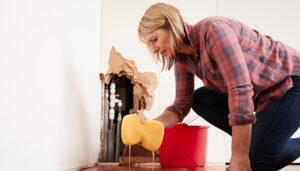
Small leaks can reduce your shower’s water pressure substantially. Watch for damp spots on walls or ceilings, higher water bills than usual, or running water sounds when nothing’s being used. Water gets diverted before reaching your shower because of these leaks, which can damage your home’s structure if left unfixed.
How to Test and Improve Your Water Pressure
Your first step in fixing low water pressure should be proper testing. Accurate measurements will tell you if your shower’s decreased water pressure affects just one area or signals a bigger problem that needs professional help.
Use a pressure gauge or a simple jug test
A water pressure gauge attached to an outdoor tap or hose bib gives precise measurements. You should turn off all water sources in your home first, then take a reading. The ideal pressure typically falls between 40-60 psi (275-415 kPa). You can also do a simple jug test. How long does it take to fill a 1-2 litre measuring jug? Set a timer for 6 seconds and run your tap on full. Multiply the collected volume by 10 to determine litres per minute. A reading below 10 L/min shows low pressure, while 15+ L/min indicates good pressure.
Check if the issue is isolated to the shower
You should test multiple faucets throughout your home to see if the shower’s low water pressure affects just that area. Normal pressure in other fixtures means you can focus on shower-specific fixes. The issue likely affects your entire plumbing system if all fixtures show low pressure.
Clean or replace the showerhead
Mineral deposits often cause low water pressure in showers. You can fix this by removing the showerhead and soaking it overnight in vinegar to dissolve buildup. Then scrub the openings with a toothbrush. A new high-pressure model might be your best option if cleaning doesn’t help.
Adjust or replace the pressure regulator
The water pressure regulator sits near your main line’s entry point to your home. You should relieve system pressure first, then turn the adjustment screw clockwise to increase pressure or counterclockwise to decrease it. Make small adjustments and check the pressure after each change.
Inspect and open main water valves
The main shutoff valve needs to be completely open. You’ll usually find this valve near your water meter. Plumbing maintenance or repairs can leave valves partially closed, which often leads to low shower pressure problems.
How G.A. Perry Can Help Fix Low Water Pressure
Low shower water pressure problems often need professional help. G.A. Perry provides detailed solutions with decades of plumbing experience.
Professional diagnosis of plumbing issues
G.A. Perry’s licensed plumbers excel at finding the exact reasons behind low water pressure in shower fixtures. Their inspection process shows if the problem comes from fixture issues or deeper system problems. A proper diagnosis prevents unnecessary repairs and will give a solution that fits your specific situation.
Replacing or upgrading outdated fixtures
Old fixtures are a common cause of low shower water pressure problems. G.A. Perry can suggest and install modern, high-efficiency fixtures that keep strong water pressure while using less water. They focus on repairs before replacement to keep costs down while getting the best performance.
Repairing or replacing corroded pipes
Older homes often face water pressure issues due to corroded pipes. G.A. Perry’s professionals use specialised techniques to spot corroded sections. Based on the damage level, they might suggest pipe relining for moderate corrosion or full replacement for badly damaged pipes.
Installing booster pumps if needed
Sometimes standard fixes don’t solve low water pressure shower problems. G.A. Perry can install water pressure booster pumps that increase water flow throughout your home. These systems maintain steady pressure even when multiple fixtures run at once.
Ongoing maintenance and inspections
Regular maintenance stops future pressure issues from developing. G.A. Perry’s inspection services help catch small problems before they turn into major headaches. This forward-thinking approach keeps your plumbing system running at its best throughout its life.
Conclusion
Your home’s plumbing system needs proper water pressure for daily comfort and longevity. Water pressure substantially affects everything from morning showers to household appliances. Homeowners should know the ideal pressure range of 300-500 kPa to spot problems that need attention.
Several common issues can cause low-pressure problems. Your shower experience suffers from mineral-clogged showerheads, partially closed valves, corroded pipes, faulty pressure regulators, and hidden leaks. A pressure gauge or simple jug test will help you determine if the problem affects just your shower or the whole house.
You can clean a showerhead yourself, but ongoing pressure problems need professional help. G.A. Perry provides detailed solutions through accurate diagnosis, fixture upgrades, pipe repairs, booster pump installation, and regular maintenance. Their team first identifies the specific cause and then recommends targeted solutions to restore optimal pressure levels.
Don’t put up with weak water flow when qualified professionals can fix your plumbing system. Proper water pressure makes your entire household run better. G.A. Perry’s experienced team can turn those disappointing trickles back into invigorating streams that make your daily routines pleasant and efficient.
Ready to enjoy stronger, more consistent water pressure throughout your home? Contact our experienced plumbing team here at G.A. Perry today for expert diagnosis, reliable repairs, and lasting water pressure solutions – so every shower feels like it should.
FAQs
Q1. What is the ideal water pressure range for residential homes in Australia?
The ideal water pressure for residential homes in Australia typically ranges between 300 and 500 kPa (approximately 43-72 PSI). Most plumbing experts consider 40-60 PSI as the optimal range for comfortable daily use and efficient appliance operation.
Q2. How can I test my home’s water pressure without professional equipment?
You can perform a simple jug test to check your water pressure. How long does it take to fill a 1-2 litre measuring jug from a tap? If it takes longer than 6 seconds to fill, you likely have low water pressure. Alternatively, you can use a pressure gauge for more precise measurements.
Q3. What are common causes of low water pressure in showers?
Low water pressure in showers can be caused by several factors, including clogged or old showerheads, partially closed valves, pipe corrosion or mineral buildup, issues with the water pressure regulator, and leaks in the plumbing system.
Q4. Can I improve my shower’s water pressure on my own?
Yes, you can try some DIY solutions to improve shower pressure. Start by cleaning or replacing the showerhead, as mineral deposits often cause blockages. Also, check that all valves are fully open and inspect for any visible leaks. If these steps don’t help, it may be time to consult a professional plumber.
Q5. When should I call a professional plumber for water pressure issues?
You should call a professional plumber if you’ve tried basic troubleshooting steps and still experience persistent low water pressure, if the issue affects multiple fixtures in your home, or if you suspect problems with your main water line or pressure regulator. A professional can accurately diagnose the problem and provide effective solutions.