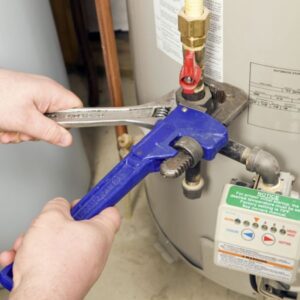
Gas is one of the most efficient and cost-effective energy sources used in Australian homes today. From cooking and heating to hot water, natural gas plays a big role in everyday comfort. That said, gas isn’t something to take lightly.
Natural gas is highly flammable, and a leak inside the home can quickly turn into a serious safety risk. Fires, explosions, and health issues caused by gas inhalation are real dangers, especially when the warning signs go unnoticed for too long.
Fortunately, gas leaks often give off clear signals if you know what to look for. In this guide, we’ll break down the key signs of a gas leak, what they mean, and the steps every Australian homeowner should take if something doesn’t feel right. Because when it comes to gas safety, being informed can be life-saving.
Key Takeaways
- Gas leaks are a serious and potentially life-threatening hazard in residential homes and should never be ignored.
- The most common warning signs of a gas leak include a rotten egg smell, hissing or whistling sounds, yellow or orange flames, visible damage to pipes, and unexplained health symptoms.
- Headaches, dizziness, nausea, fatigue, breathing difficulty, and confusion can indicate gas exposure, especially if symptoms improve when leaving the home.
- Children, elderly people, pregnant women, and pets are more vulnerable to gas and carbon monoxide exposure and may show symptoms earlier.
- If you suspect a gas leak, evacuate immediately, avoid sparks or electrical devices, and contact emergency services or your gas provider from a safe location.
- Gas leaks are not a DIY issue, only licensed gas fitters should inspect, detect, and repair gas systems.
- Regular professional gas safety inspections, appliance maintenance, and clear ventilation significantly reduce the risk of leaks.
- Gas detectors and smart sensors provide early warnings and add an important layer of household safety.
- Renovations and new appliance installations must comply with Australian gas safety laws and require certified, licensed professionals.
- Preventative gas safety habits protect your home, health, and property, turning a silent danger into a manageable risk.
Why Gas Leak Awareness Can Save Lives
Many homeowners underestimate just how serious a gas leak can be, assuming they’ll smell it straight away or notice obvious signs before anything goes wrong. Unfortunately, that’s not always the case, and the consequences can be devastating.
Ultimately, catching a gas leak early gives you time; time to shut off the supply, ventilate the area, and get professional help before a minor issue turns into a major disaster. Gas is highly flammable, and it doesn’t take much to ignite it. A phone, a light switch, or even static electricity can be enough to trigger a fire or explosion in the wrong conditions. The health risks are just as serious. Gas exposure can cause headaches, dizziness, nausea, and fatigue, and in severe cases, lead to life-threatening conditions.
What Types of Gas Are Used in Homes?
Most Australian homes that use gas rely on one of two options: natural gas or LPG (liquefied petroleum gas).
- Natural gas is made up mostly of methane, which makes it lighter than air. If a leak occurs, natural gas tends to rise and disperse upwards, often collecting near ceilings or roof spaces.
- LPG, on the other hand, is made from propane and butane. It’s heavier than air, so when it leaks, it sinks and pools close to the ground, along floors or in low-lying areas like basements and drains.
This difference matters when it comes to spotting a leak and responding safely. LPG also packs more energy than natural gas, meaning it burns hotter and delivers more heat in a smaller volume.
How Gas Is Supplied to Homes
The way gas reaches your home depends on the type you use. Natural gas is delivered through an extensive network of underground pipes, supplying homes directly from the mains. Once connected, the supply is continuous.
LPG works differently. It’s stored under pressure in cylinders or tanks, ranging from small portable bottles to larger tanks that supply an entire household. Because LPG isn’t delivered through pipes, homeowners need to monitor usage and organise refills as needed. The upside is flexibility; LPG can be used almost anywhere, making it ideal for rural or remote areas without access to mains gas.
Where Gas Is Commonly Used in the Home
Gas is used to power a range of household appliances, including:
- Gas stoves and ovens: Popular for fast heat-up times and precise temperature control while cooking
- Space heating systems: Provides efficient and reliable heating throughout the home
- Hot water systems: Delivers consistent hot water for daily use
- Gas-powered clothes dryers: Often dry clothes faster than electric alternatives
- Gas air conditioning systems: Used in some homes, though less common in residential settings
💡This mix of uses is what makes gas such a practical energy source in Australian homes, but also why understanding gas safety is so important.

What Causes Gas Leaks in Residential Properties?
Gas leaks in homes rarely happen out of nowhere. In most cases, they’re the result of everyday issues that go unnoticed or get ignored over time. Understanding what causes gas leaks is one of the best ways to prevent them and keep your household safe.
1. Faulty or Ageing Gas Appliances
Like any appliance, gas-powered systems wear down with age. Seals and connections between appliances and gas lines can deteriorate, creating small gaps where gas can escape. Burners can also become blocked with dust, grease, or lint, affecting how the appliance operates and increasing safety risks.
One of the most common warning signs is flame colour. A healthy gas flame should burn blue. Yellow or orange flames often indicate incomplete combustion and should be checked immediately. Regular servicing is essential, most gas appliances should be inspected every two years, with annual checks recommended for heaters older than ten years.
2. Damaged or Loose Gas Pipes and Fittings
A home’s gas pipes and fittings are exposed to a lot over their lifetime. In older homes, underground pipes may corrode due to moisture, especially if outdated materials were used. Renovations, landscaping, or digging can accidentally damage gas lines, while even simple tasks, like moving a gas stove to clean behind it, can strain connections enough to cause leaks.
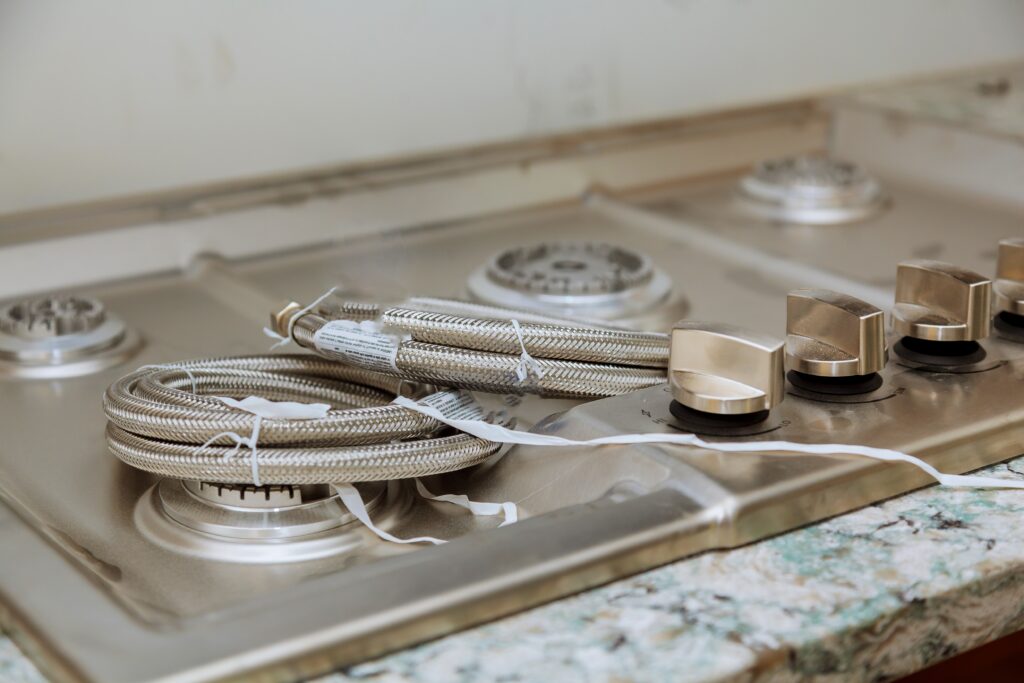
The most vulnerable points in a gas system are usually loose joints, worn fittings, and damaged flexible hoses. These small issues can quickly become serious if left unchecked.
3. Poor Ventilation and Blocked Flues
Ventilation plays a critical role in gas safety. Appliances that aren’t properly ventilated, particularly unflued gas heaters, release combustion gases directly into living spaces. If flues are blocked or damaged, toxic gases can’t escape and may build up inside the home.
Flues can become blocked by debris, collapsed liners, leaves, or even bird nests. When this happens, dangerous gases like carbon monoxide can accumulate without warning, posing a serious health risk to everyone in the house.
4. DIY Repairs and Unlicensed Work
DIY gas repairs are one of the most dangerous causes of residential gas leaks. In Australia, gas fitting work must legally be carried out by licensed professionals. Unlicensed work can lead to faulty installations, leaks, explosions, and serious injury or death.
These repairs can also void insurance coverage and result in significant fines. Licenced gas fitters have the training, tools, and knowledge to work safely and comply with strict regulations. When it comes to gas, cutting corners isn’t worth the risk; always call a qualified professional.
Why Certification and Compliance Matter
Licensed gas fitters issue compliance certificates for completed work. These documents confirm that installations meet safety standards and provide vital legal protection. Without proper certification, insurance claims related to gas incidents may be rejected, leaving homeowners exposed to significant financial risk.
The Most Common Signs of a Gas Leak
In many cases, the warning signs of a gas leak are subtle and easy to dismiss. Knowing what to watch, listen, and even feel for can help you act quickly and prevent serious harm.
1. Smell: The Rotten Egg Warning Sign
Natural gas and LPG are naturally odourless. To make leaks detectable, gas suppliers add a chemical called ethyl mercaptan, which gives gas its distinctive rotten egg or sulphur smell. This ensures that gas can be detected by smell before it reaches explosive levels.
Even a faint or occasional smell should never be ignored. If you notice a rotten egg, sulphur, or chemical-like odour in your home, treat it as a warning sign and act immediately.
2. Sound: Hissing, Whistling, or Roaring Noises
Gas escaping under pressure often makes noise. A small leak may produce a soft hissing or whistling sound near pipes, meters, or appliances. Larger leaks can create a louder rushing or roaring noise.
These sounds usually come from damaged pipes, loose fittings, or faulty connections, where gas escapes through small openings at high speed. In most cases, the louder the sound, the more significant the leak.
3. Visual Clues Around Your Home
Gas flames should burn a steady blue, yellow or orange; flames may indicate incomplete combustion and potential gas problems.
Other visual warning signs include soot buildup, scorch marks around appliances, or unexplained discolouration. Outside the home, dead or dying vegetation above buried gas lines is a serious red flag, as leaking gas can displace oxygen in the soil. You may also notice bubbling in standing water near gas lines or unusual dust or debris being disturbed.
4. Damage to Pipes and Connections
Visible damage to gas pipes or fittings should never be ignored. Regularly check exposed piping for cracks, dents, rust, or loose joints. Green discolouration on copper pipes can be an early sign of corrosion.
Connections behind appliances deserve extra attention, as movement, vibration, or wear over time can weaken fittings and cause leaks in hard-to-see areas.
5. Physical Symptoms You Should Never Ignore
Your body can act as an early warning system when gas is present. Many people mistake gas exposure symptoms for everyday illnesses, which delays action and increases risk.
- Headaches, Dizziness, Nausea, and Fatigue: Unexplained headaches are one of the most common early symptoms of gas exposure. Dizziness, nausea, and extreme tiredness often appear together and may improve when you leave the home…only to return when you come back.
- Breathing Difficulty, Chest Pain, and Confusion: More serious symptoms can develop with prolonged exposure. Gas can displace oxygen in the air, making it harder to breathe. Chest pain, confusion, and reduced coordination are signs of significant exposure and require immediate medical attention.
Certain groups are affected more quickly and severely by gas exposure. Children, older adults, pregnant women, and people with heart or respiratory conditions are at higher risk due to reduced lung capacity or existing health issues.
Pets often show symptoms first. Watch for lethargy, coughing, unusual behaviour, or red gums. Birds are especially sensitive and may react almost immediately, making them an early warning sign of a dangerous environment.
What to Do If You Suspect a Gas Leak
When it comes to gas leaks, hesitation can be dangerous. Acting quickly and correctly can be the difference between a close call and a serious emergency. If something doesn’t feel right, trust your instincts and treat it as urgent.
Critical Actions to Take Right Away
If you notice any signs of a gas leak, take the following steps immediately:
- Evacuate everyone from the property straight away, including children and pets
- Leave doors and windows open as you exit, if it’s safe to do so, to help gas disperse
- Avoid anything that could create a spark, including:
- Using light switches, electrical appliances, or mobile phones near the suspected leak
- Smoking, lighting matches, or using lighters
- Starting vehicles, generators, or motors
- Do not try to locate the source of the leak yourself
If you can safely do so on your way out, turn off the gas supply at the meter or LPG cylinder valve. If it’s not easily accessible or you’re unsure, don’t risk it. Your safety comes first.
What Not to Do During a Suspected Gas Leak
Knowing what not to do is just as important as knowing the right steps. One wrong move can significantly increase the risk.
❌ Do not ventilate before evacuating: While ventilation is important, your priority is getting out safely. Opening windows or doors too early, especially when gas levels are high, can change airflow patterns and potentially push gas toward ignition sources. Leave ventilation decisions to emergency responders and gas technicians.
❌ Do not investigate or attempt repairs yourself: Never try to track down a gas leak or fix it on your own. This puts you at risk of exposure and ignition, and unlicensed gas work is illegal in Australia. Only licensed gas professionals have the equipment and training to detect and repair leaks safely.
❌ Do not re-enter the property without clearance: Even if the smell fades or repairs appear complete, gas can remain trapped in parts of the home. Always wait until emergency services or licenced gas fitters confirm the property is safe before going back inside.
Preventing Gas Leaks in Your Home
Preventing a gas leak is far easier, and far safer, than dealing with one after it happens. With the right inspections, smart safety measures, and professional support, most gas leaks can be avoided altogether.
✅Regular Inspections and Ongoing Maintenance
Professional gas safety checks are one of the most effective ways to reduce risk. Most gas appliances should be inspected every two years, while appliances older than ten years should be checked annually. These inspections typically include gas line pressure testing, appliance performance checks, and ventilation and flue assessments to ensure harmful gases are safely expelled. Regular cleaning is also important, as dust and debris can block burners and interfere with safe operation.
For a basic at-home check, you can spray a mixture of dishwashing liquid and water onto visible gas connections. If bubbles form, it may indicate a leak. Avoid ammonia-based soaps, as they can damage brass fittings and create further issues.
✅Smart Safety Measures for Homeowners
Installing dedicated gas detectors is a smart move, particularly near gas appliances and sleeping areas.
Keeping clear maintenance records is another simple but effective habit. Make sure everyone in the household knows what to do in an emergency, including how to evacuate safely. If pipes or fittings show signs of corrosion or age, replace them proactively; don’t wait for a problem to appear.
| For homeowners in Perth, GA PERRY provides 24/7 emergency gas fitting and repair services. Our licenced gas plumbers respond quickly and are equipped to handle urgent issues safely and professionally. |
✅Gas Safety During Renovations and New Installations
Renovations and appliance upgrades introduce added risk if gas safety isn’t carefully managed. Any changes involving gas lines, appliances, or ventilation must be planned and carried out by licensed professionals. Even small modifications can compromise safety if they’re not done correctly.
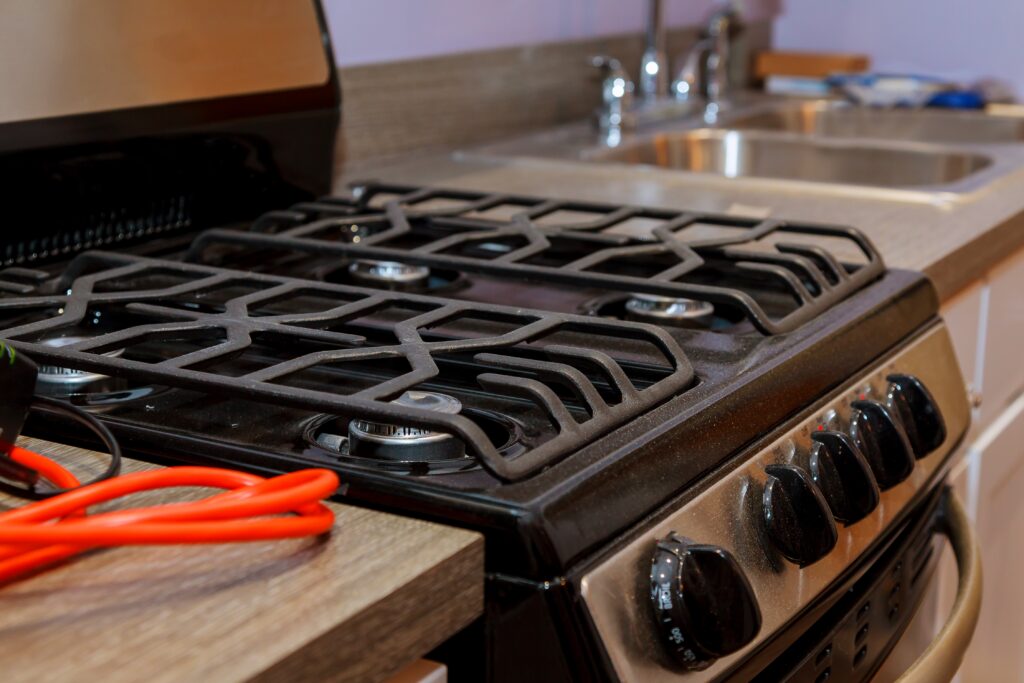
Stay Alert. Act Fast. Protect What Matters.
Gas leaks may be silent, but the risks are serious. While knowing the warning signs can make all the difference, prevention is just as important. However, gas leaks are not a DIY issue.
Any work involving gas lines, appliances, or fittings must be handled by licensed professionals with the right training and equipment. Attempting repairs yourself can put your safety at risk, lead to serious legal consequences, and even void your insurance. The safest approach is regular inspections, proper maintenance, and calling in qualified gas fitters at the first sign of trouble, because when it comes to gas, cutting corners simply isn’t worth the risk.
For homeowners in Perth, GA PERRY provides 24/7 emergency gas fitting and repair services. With experienced, licenced gas plumbers located across Perth, help is always close by. Gas emergencies are treated seriously because even small issues can quickly become dangerous, so if something doesn’t feel right, give us a call and get expert help straight away!