The cheapest hot water system to buy today might actually be the most expensive mistake you make for your Perth home this decade. With Synergy electricity rates at 32.3719 cents per kWh and gas tariffs continuing to climb, it’s natural to feel frustrated when your quarterly utility bills arrive. You need a solution that guarantees a hot shower during the morning peak without the fear of the water running cold or the costs spiralling out of control.
Deciding between gas vs electric hot water is no longer just about fuel type; it’s about how the technology handles Western Australia’s unique water conditions and integrates with your home’s energy profile. This guide will help you discover the most cost-effective and reliable hot water solution for your specific needs, potentially saving you hundreds of dollars every year. We will break down the latest 2026 data on gas, electric, and heat pump systems to ensure your next hot water system replacement is a stable, long-term investment for your home.
Key Takeaways
- Compare the long-term financial impact of gas vs electric hot water by analysing the 2026 Perth utility tariffs and available federal rebates.
- Learn how Perth’s unique “hard water” minerals affect different heating technologies and what you can do to ensure your system lasts over a decade.
- Explore the “Solar Soak” method to significantly reduce your energy bills by synchronising your hot water production with your rooftop solar output.
- Determine the ideal system size and physical footprint for your property to balance high mains pressure with space-saving requirements.
- Understand why a professional hot water system replacement requires the combined expertise of licensed plumbers and electricians for safety and legal compliance.
The Evolution of Hot Water in Perth: Understanding Your Options
The landscape for Perth hot water has transformed rapidly leading into 2026. While the basic need for a reliable shower remains the same, the technology under the hood has evolved to meet stricter energy standards and rising utility costs. Choosing between gas vs electric hot water is now a strategic decision that affects your household budget and your property’s long-term value. Homeowners are no longer just choosing between a tank or a burner; they are weighing up long-term energy security against immediate installation needs.
The Three Main Contenders in WA Homes
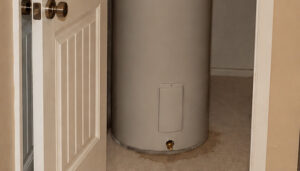
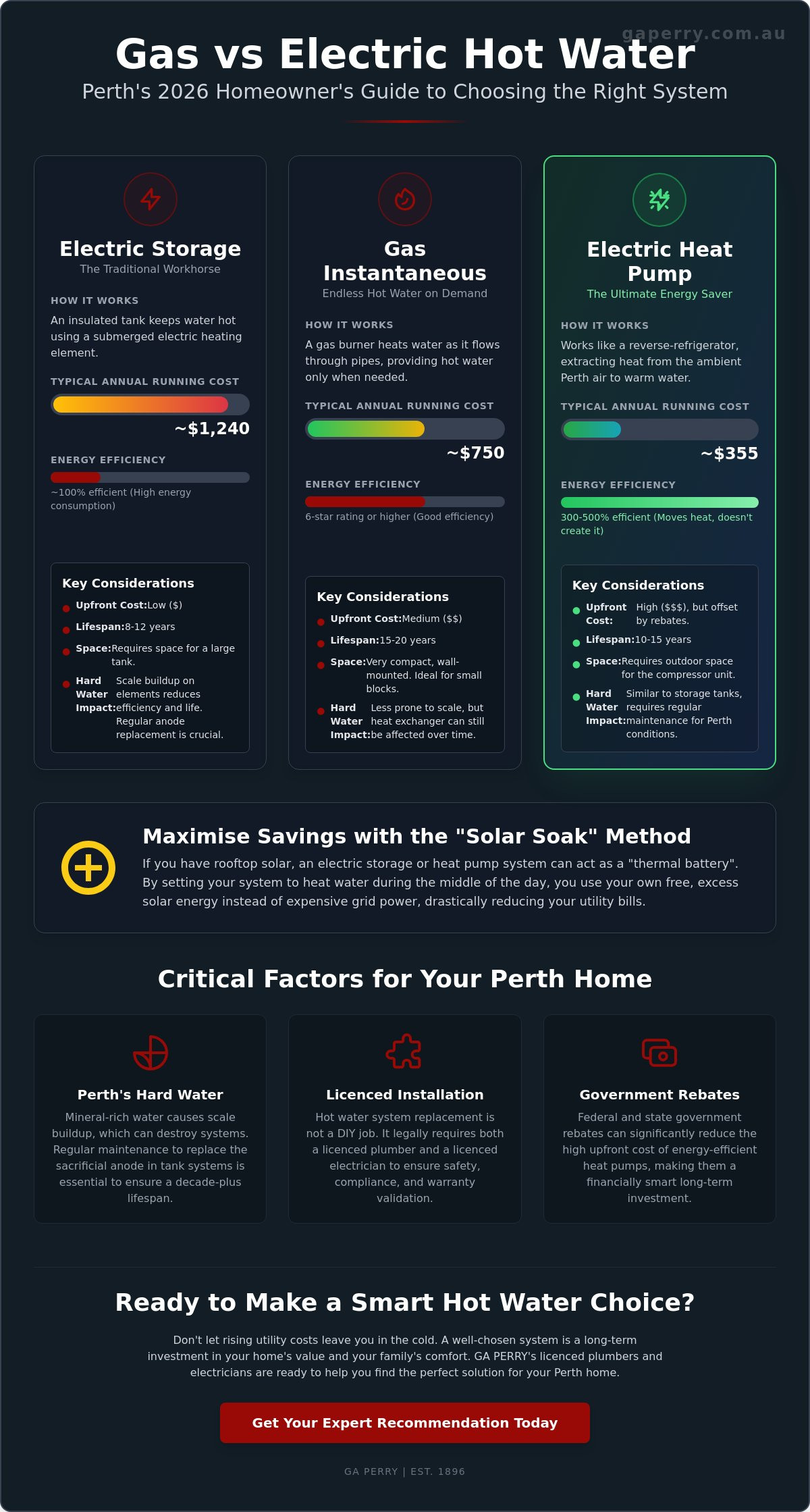
Modern households generally choose from three primary technologies. Electric storage systems remain a traditional workhorse, though they now often feature smart timers to take advantage of off-peak rates. Gas instantaneous units, or continuous flow systems, are a staple in many Perth suburbs because they provide an endless supply of hot water without requiring a bulky tank. Finally, electric heat pumps have surged in popularity. These units function like a refrigerator in reverse, extracting heat from the ambient Perth air to warm your water. Gaining a basic understanding of how water heaters work helps clarify why heat pumps are so efficient; they move heat rather than generating it through raw combustion or resistance.
Why Fuel Source Matters for Your Property Type
Your choice often depends on the physical realities of your Perth block. Modern subdivisions with narrow lot frontages frequently lack the space for large storage tanks, making compact wall-mounted gas units the default choice. The gas vs electric hot water debate is also influenced by Western Australia’s energy transition. The long-term availability and pricing of residential gas are becoming key considerations for savvy buyers. If your home already has a significant solar array, an electric system might offer better synergy by acting as a “thermal battery” for your excess power.
In contrast, rural property owners often have different logistical considerations; for those in areas like Gidgegannup, Gidge Rural serves as a vital resource for the supplies and expertise required to manage property infrastructure outside the metropolitan sprawl.
- Space constraints: Compact urban blocks favour instantaneous gas or slimline electric models.
- Existing connections: Swapping like-for-like is often the fastest path for an emergency hot water system replacement.
- Peak demand: Large families with high morning usage often require the rapid recovery of gas or the high capacity of modern heat pumps.
Comparing the Mechanics: How They Heat Your Water
Understanding the mechanical differences between gas vs electric hot water systems is essential for predicting their lifespan in Western Australian conditions. While a gas burner uses combustion to heat copper pipes or a tank, a standard electric system relies on resistive heating elements submerged in water. Heat pumps introduce a third method, using a compressor and refrigerant to move heat from the air into your water supply. This distinction is vital because each method interacts differently with Perth’s specific environmental challenges.
Perth is known for its mineral-rich “hard water,” which can be particularly aggressive toward plumbing components. In many suburbs, calcium and magnesium minerals precipitate out of the water when heated, forming a hard scale. On a traditional electric heating element, this scale acts as an insulator. This forces the unit to work harder to reach temperature, eventually causing the element to overheat and fail. Storage tanks, whether gas or electric, require a sacrificial anode to combat this. This magnesium or aluminium rod attracts corrosive minerals to itself, protecting the steel tank lining from rusting. Scheduling regular hot water system maintenance ensures these anodes are replaced before they disappear, significantly extending the life of your tank.
Gas Systems: Speed and Simplicity
Modern gas burners have improved significantly, with electronic ignition replacing old-fashioned standing pilots to reduce gas wastage. High-efficiency 6-star units now use secondary heat exchangers to capture heat that used to escape through the flue. Because instantaneous gas units heat water as it flows through a heat exchanger rather than letting it sit in a tank, they are often more resilient in areas with high mineral content. This makes them a reliable choice for homeowners who prioritise a system that requires less frequent internal component checks.
Electric and Heat Pump Systems: The Efficiency Frontier
When considering gas vs electric hot water, the efficiency of heat pumps is often measured by their Coefficient of Performance (COP). A COP of 4.0 means the unit produces four units of heat for every one unit of electricity it consumes. Perth’s temperate climate is perfect for this technology; the air rarely gets cold enough to hinder the heat transfer process. However, heat pumps are more mechanically complex than simple electric tanks. They contain fans and compressors that generate a low-frequency hum. This is a key consideration if the unit is installed near a bedroom window or a neighbour’s fence. Evaluating sustainable hot water choices involves balancing this incredible efficiency against the need for a quiet, durable installation that suits your property layout.
Running Costs and Efficiency: The 2026 Financial Breakdown
Analysing the financial impact of your hot water choice requires looking beyond the initial purchase price. For a typical 4-person Perth household, the ongoing energy consumption accounts for a significant portion of the annual A$1,490 average electricity bill. Under the current Synergy Home Plan A1 tariff, usage is charged at 32.3719 cents per kWh. Natural gas remains a competitive alternative with a supply charge of only 26.52 cents per day and usage rates starting at 18.31 cents per unit. However, the gas vs electric hot water comparison has been disrupted by the high efficiency of modern heat pumps, which can reduce running costs by 60% to 75% compared to traditional storage tanks.
Referring to the CHOICE comparison of hot water systems, it’s evident that the long-term savings often justify a higher upfront investment. In 2026, WA homeowners can access federal Small-scale Technology Certificates (STCs) which provide a point-of-sale discount of approximately A$1,500 to A$1,800 for eligible heat pumps. If you are switching from an old electric tank to a gas continuous-flow model, you might also be eligible for a rebate of around A$400. These incentives are designed to offset the initial cost and encourage the adoption of high-efficiency technology.
The Impact of Rooftop Solar on Your Decision
Perth’s high solar penetration has created the “Solar Soak” effect. By using a smart timer or controller, you can coordinate your electric storage or heat pump system to run between 10 am and 2 pm. This allows you to heat your water using your own generated solar power rather than drawing from the grid. This strategy effectively turns your hot water tank into a cost-free thermal battery. For homes without solar panels, gas often remains the more viable path to keep monthly utility bills manageable, as it avoids the higher peak electricity rates. This global shift towards solar-integrated climate control is supported by specialists like Commodus, who help homeowners optimise their energy use through combined solar and heating technologies.
Calculating Your Return on Investment (ROI)
ROI for a hot water system is defined as the point where cumulative energy savings exceed the initial price gap between a standard unit and a high-efficiency model, which usually occurs within a 7-year average. You must also consider potential hidden costs during installation. Upgrading an old gas unit to a high-powered electric heat pump may require an electrical circuit upgrade or the installation of new RCDs. Conversely, moving from electric to gas might involve extending gas pipework to the exterior of your home. We always recommend a thorough site assessment to ensure the system you choose provides the best long-term value for your specific property layout.
Making the Call: Factors That Determine Your Best Fit
Choosing between gas vs electric hot water requires a practical assessment of your property and lifestyle. Your household size is the primary driver; a couple in a Scarborough apartment has vastly different needs than a family of five in Canning Vale. Beyond usage, the “Perth Factor” plays a significant role in unit durability. Coastal properties deal with salt-laden air that can corrode external casings faster, while inland homes face extreme summer heat that impacts heat pump compressor efficiency. Selecting a unit with a high-quality chassis is essential for surviving the WA climate.
The physical footprint is another non-negotiable factor. Modern heat pumps and electric storage tanks require significant outdoor space and specific clearances for airflow. If you live on a compact block with narrow side-access, a wall-mounted instantaneous gas unit might be your only viable option. Environmental considerations in WA are also shifting. As the South West Interconnected System (SWIS) incorporates more renewable energy, the carbon footprint of electric systems continues to drop compared to residential gas combustion. To learn more about the implementation of renewable energy and energy-efficient solutions, you can visit Carbon Saving Group for further insights.
The Conversion Checklist: Switching from Gas to Electric
Moving from gas to electric isn’t a simple swap. You must first verify if your switchboard has the capacity for a new dedicated 15-amp or 20-amp circuit. A licensed gas fitter is legally required to cap off your old gas lines safely to prevent leaks. If you ever notice an unexplained spike in your utility bill or detect a faint smell near your gas appliances during this transition, it’s essential to arrange professional gas leak detection in Perth before proceeding with any further work. Finally, your plumber will need to modify the existing pipework, as the inlet and outlet positions for a large storage tank rarely align with a compact gas unit. For a seamless transition, contact GA PERRY for a professional hot water system replacement that covers both plumbing and electrical requirements.
When Gas is Still the Superior Choice
Gas remains a powerhouse for high-demand environments. If your home has multiple bathrooms and showers running simultaneously, an instantaneous gas system provides an endless stream of hot water that storage tanks cannot match without massive capacity. Gas is also a reliable fallback during Perth’s winter storms. While a power outage will shut down a heat pump or a standard electric tank, many modern gas units can be fitted with a battery backup to keep the hot water flowing when the grid goes dark.
When a system fails unexpectedly, simplicity is your friend. Standard electric tanks and gas units are often easier to diagnose and repair during an emergency because their components are standardised. Heat pumps, while highly efficient, involve complex refrigeration cycles that may require specialised parts. Weighing up these factors ensures you select a system that provides peace of mind and reliable mains pressure for the next decade.
Professional Installation and Maintenance with GA PERRY
Selecting the right technology in the gas vs electric hot water debate is only half the battle. The long-term performance and safety of your system depend entirely on the quality of the installation. GA PERRY has been a pillar of the Perth community for over 120 years, providing a stable and reliable service that homeowners can trust. We’ve seen every shift in Western Australian plumbing regulations, from the early days of simple storage tanks to the complex, high-efficiency heat pumps of 2026. This deep historical footprint means our methods are time-tested and our reputation for excellence is ironclad.
When you face a hot water crisis, such as a burst tank or a total loss of pressure, you need a “sure thing” rather than a gamble on quality. We provide a responsive emergency service designed to restore your home’s essential systems with minimal disruption. Our tradespeople arrive on time and fully equipped to handle any scenario, ensuring your property remains a safe harbor for your family. We don’t just swap units; we provide a comprehensive solution that includes navigating federal STC rebates and ensuring your new system is perfectly suited to Perth’s specific water chemistry and climate conditions.
The GA PERRY Difference: Dual-Trade Expertise
Modern hot water system replacement is rarely a single-trade job. A new heat pump or a transition from gas to electric requires both high-level plumbing skills and certified electrical work. Because we employ both licensed plumbers and electricians, we simplify the entire process for you. Our team manages the dedicated circuit upgrades and RCD installations alongside the primary plumbing work. We perform rigorous testing on gas pressure and electrical safety switches to ensure every installation is fully compliant with the 2025 edition of the Plumbing Code of Australia, which became mandatory in WA on 1 May 2026. As part of our comprehensive home safety service, we also provide professional smoke alarm installation in Perth to ensure your property meets all WA Building Regulations requirements alongside your new hot water system.
Protecting Your Investment
A hot water system is a major household investment that should last well over a decade. To achieve this, regular maintenance is essential. We provide structured maintenance plans that focus on the critical components often overlooked by homeowners. This includes testing Pressure Temperature Relief (PTR) valves and inspecting sacrificial anodes to prevent tank corrosion from Perth’s mineral-heavy water. Our tradesmen take quiet pride in their thoroughness, providing you with a Certificate of Compliance for every job to validate your manufacturer’s warranty and ensure legal peace of mind.
Don’t leave your home’s comfort to chance with an inconsistent service provider. Experience the confidence that comes from working with a disciplined, ethically driven institution that prioritises your safety and satisfaction above all else. Book your Perth hot water consultation with GA PERRY today and ensure your home has a reliable, cost-effective water heating solution for years to come.
Secure Your Home’s Hot Water Future
Your choice in the gas vs electric hot water debate will dictate your household’s comfort and utility expenses for the next decade. Whether you opt for the high-efficiency performance of a modern heat pump or the rapid recovery of a continuous-flow gas system, the right decision depends on your property’s specific layout and Perth’s mineral-rich water. By synchronising your usage with solar power or selecting a unit that fits your urban block, you can protect your budget from rising tariffs while ensuring a reliable hot shower every morning.
GA PERRY has been Perth-owned and operated since 1896, providing a safe harbor for homeowners facing complex plumbing and electrical decisions. Our team of licensed plumbers, gas fitters, and electricians ensures that every installation meets the latest 2026 standards. If you’re dealing with a cold water crisis, our 24/7 emergency service is available across the entire Perth Metro area to provide immediate assistance. You don’t have to navigate these technical choices alone.
Get a Professional Hot Water Recommendation from GA PERRY today to find the perfect fit for your home. We take pride in delivering a stable, long-term solution that gives you complete peace of mind.
Frequently Asked Questions
Which is cheaper to run in Perth: gas or electric hot water?
Electric heat pumps are currently the most cost-effective option for Perth homes, particularly when integrated with a rooftop solar system. While natural gas usage rates are lower than standard Synergy electricity tariffs, a heat pump’s high efficiency allows it to use significantly less raw energy. This shift in gas vs electric hot water economics means a heat pump can save a typical household between A$150 and A$700 annually on running costs.
Can I switch from a gas hot water system to an electric heat pump?
You can certainly switch from gas to an electric heat pump, and many WA homeowners are choosing this path to access federal STC rebates. The conversion requires a licensed gas fitter to safely cap the redundant gas line and an electrician to install a new dedicated circuit. This is a common procedure that modernises your home’s infrastructure while reducing your reliance on fossil fuels.
How long does a typical hot water system last in Perth?
A typical hot water system in Perth lasts between 10 and 15 years depending on the unit type and maintenance history. Our local “hard water” contains minerals that can cause scale build-up and tank corrosion over time. Replacing your sacrificial anode every few years and testing the valves regularly are the most effective ways to ensure your system reaches its full life expectancy.
Do I need to upgrade my electrical switchboard for an electric hot water heater?
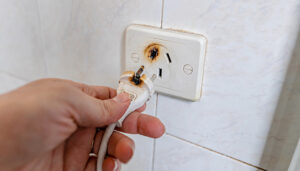
Switchboard upgrades are often necessary when installing a new electric storage unit or heat pump in an older Perth home. These systems require a dedicated circuit and a modern RCD to comply with current Western Australian safety regulations. A licensed electrician must assess your existing board to ensure it can safely handle the additional load required by the heating element or compressor.
Is gas being phased out for Perth homes in 2026?
Natural gas is not being phased out for existing residential properties in Perth in 2026. While government policy is increasingly encouraging electrification for new builds and offering rebates for heat pumps, gas remains a legal and reliable energy source for WA households. Your decision should be based on your property’s specific requirements rather than a fear of immediate gas disconnection.
What is the best hot water system for a small Perth apartment?
Instantaneous gas units are generally the best fit for small Perth apartments because they are compact and wall-mounted. If the building does not have gas connected, a small electric storage tank located in a laundry or kitchen cupboard is the standard alternative. The choice usually depends on the available space, ventilation requirements, and the existing plumbing infrastructure of the apartment complex.
How much does it cost to replace a hot water system in Perth?
The investment required for a hot water system replacement varies based on the unit technology and the complexity of the installation work. Factors such as whether you are changing fuel types, the need for electrical upgrades, and the physical location of the unit all play a role. We recommend a professional site assessment to determine the most cost-effective solution that qualifies for available government rebates.
Why is my hot water system leaking from the bottom?
A leak from the base of your hot water system usually indicates that the internal storage tank has corroded and failed. While some minor drips might come from a faulty pressure relief valve, a consistent pool of water often signals that the unit has reached the end of its functional life. You should have a licensed plumber inspect the system immediately to prevent potential water damage to your property.