In Australian households, it’s not exactly optional. Between daily showers, washing dishes, and keeping up with laundry, having a reliable hot water system is a must.
In fact, Aussies spend an average of 7 to 8 minutes in the shower, and around 20% of people take an even longer 10 to 15 minutes. On its own, that doesn’t sound like much. But when you consider that most Australians shower once a day, and around 25% shower twice daily, it quickly adds up. Not just in water usage, but in energy consumption too, making your hot water system one of the biggest contributors to your household running costs.
That’s why when a hot water system starts playing up (or stops working entirely), it’s not something you can afford to put off. Whether you’re looking at a repair, replacement, or a full new installation, understanding the costs upfront helps you plan properly and avoid surprise expenses.
In this guide, we’ll break down exactly how much it costs to install a hot water system, what factors affect the price, and what you can expect depending on the type of system you choose.
Key Takeaways
- Hot water system installation costs vary widely depending on the system type, household size, and installation complexity.
- Electric hot water systems are usually the cheapest to install, but they often have the highest long-term running costs.
- Gas hot water systems sit in the mid-range for upfront cost and are typically cheaper to run than electric, especially for larger households.
- Heat pump and solar systems cost more upfront, but they offer the lowest running costs and strong long-term savings.
- Choosing the right system size is essential, with most households needing around 50 litres of hot water per person per day.
- Storage tank systems should be sized for about 1.5 days of usage to avoid running out of hot water during peak demand.
- Switching system types (electric to gas, gas to heat pump, etc.) increases installation costs due to extra plumbing, electrical, or compliance work.
- Site access impacts pricing, with harder-to-reach installations requiring more labour and sometimes specialist equipment.
- Installation costs often include fittings, valves, and disposal, but homeowners should confirm what’s included to avoid unexpected extras.
- The cheapest system upfront isn’t always the best value long-term, so comparing both installation and running costs is key.
Types of Hot Water Systems To Consider
While budget is an important factor, it’s about finding a setup that suits your household size, lifestyle, energy usage, and long-term running costs. While some systems are cheaper upfront, while others cost more initially but can save you thousands over time.
Below are the most common types of hot water systems to consider, how they work, and who they’re best suited for.
| System Type | What It Is / How It Works | Key Benefits | Best For (Household Considerations) |
| Electric Hot Water Systems | Uses an electric element to heat water. Comes in storage tanks (stores hot water) or instantaneous systems (heats on demand). Larger tanks can run on off-peak power. | Lower upfront cost, widely available, easy to install, off-peak options can reduce bills. | Small to medium households, budget-conscious homeowners, and homes with solar panels to reduce running costs. |
| Gas Hot Water Systems | Uses natural gas or LPG to heat water. Available as storage or continuous flow (instant heating, no tank). Must be installed outdoors due to ventilation needs. | Faster heating, cheaper to run than electric, continuous flow avoids energy waste, reliable for high demand. | Larger families, multi-bathroom homes, and properties with an existing gas connection (gas line installs can increase cost). |
| Solar Hot Water Systems | Uses roof-mounted solar collectors to heat water stored in a tank. Can be close-coupled (tank on roof) or pumped (tank on ground). Includes electric/gas booster for cloudy days. | Major long-term energy savings, eco-friendly, rebates available, reduces reliance on electricity/gas. | Homeowners staying long-term, eco-conscious households, and homes with strong sun exposure. Cold climates may need frost protection systems. |
| Heat Pump Hot Water Systems | Works like a reverse-cycle air conditioner, extracting heat from the air to warm water. Available as integrated or split systems. Requires airflow and outdoor placement. | Uses 60–75% less electricity, lower running costs, great efficiency, works well with solar. | Energy-conscious households, families wanting long-term savings, and homes with solar power. Placement matters due to ventilation and potential noise. |
Typical Cost to Install Each Type of Hot Water System
When comparing hot water system prices, it’s important to understand that you’re not just paying for the unit itself. A proper installation involves multiple components and licensed labour to ensure everything is safe, compliant, and built to last.
In most cases, a standard installation package will include:
- The hot water system unit
- Labour from licensed professionals
- Basic plumbing connections, fittings, and pipework
- Removal and disposal of the old hot water system (often included, though some providers may charge a small disposal fee)
- Essential installation components like tempering valves, duo valves, copper piping, and other required fittings
Depending on the system type, electrical work may also be required, particularly if you’re switching systems or upgrading to a heat pump. Electricians typically charge more than plumbers, and they’re usually needed for electric and heat pump installations, which can increase the overall cost.
Typical Installation Cost by System Type
1. Electric Hot Water System Installation Cost: $1000 to $2,500+
Electric systems heat water using an electric element. Storage units keep hot water in an insulated tank, while instantaneous systems heat water on demand.
Electric systems are usually the most affordable option upfront, making them a common choice for smaller households or budget-conscious homeowners. However, their running costs can be higher unless you have solar power to offset electricity usage.
Best for: Small to medium households wanting a lower upfront cost.
2. Gas Hot Water System Installation Cost: $1,500 to $3,500+
Gas hot water systems use natural gas or LPG to heat water. Like electric systems, they come in both storage and instantaneous options.
Gas systems are generally faster at heating water and often cheaper to run than electric. Installation costs can vary depending on whether your property already has an existing gas connection. If additional gas plumbing is needed, the labour portion of the job may increase.
Best for: Homes with an existing gas connection and higher hot water usage.
3. Solar Hot Water System Installation Cost: $4,000 to $8,000+
Solar hot water systems use roof-mounted solar collectors to heat water, with a storage tank installed on-site. Most systems also include an electric or gas booster to ensure consistent hot water supply during cloudy weather or winter months.
Solar systems come with a higher upfront cost, but they can deliver major long-term savings on energy bills. The total price depends on whether you choose flat-plate or evacuated tube collectors, and whether your roof setup is straightforward.
It’s also worth noting that government rebates may significantly reduce the final cost, depending on your location and eligibility.
Best for: Homeowners looking for long-term savings and energy efficiency.
4. Heat Pump Hot Water System Installation Cost: $3,000 to $6,500+
Heat pump systems work by extracting warmth from the surrounding air using refrigeration technology (similar to a reverse-cycle air conditioner) and transferring it into the water.
They are one of the most energy-efficient hot water systems available, using around 60–75% less electricity than a standard electric system. While the upfront cost is higher, many households see a return on investment within 4 to 6 years, especially if paired with solar panels.
Best for: Eco-conscious households and homes wanting lower running costs long-term.
Top Hot Water System Brands Cost
Brand matters more than most homeowners realise. A reliable brand usually means better energy efficiency, stronger warranties, easier access to spare parts, and fewer breakdowns over the life of the unit.
Below are some of the most trusted hot water system brands we offer, along with their typical starting price points:
- Rheem (From $1,595.00): Rheem is one of Australia’s best-known hot water brands and a go-to choice for both electric and gas systems. They’re widely available, reliable, and backed by strong local support, making them a safe long-term investment for most households.
- Dux (From $2,026.00): Dux systems are known for quality manufacturing and strong performance, particularly in storage hot water units. They’re often chosen by homeowners who want a premium, durable system built to handle higher daily usage.
- Bosch (From $1,995.00): Bosch is a trusted name in home appliances and plumbing systems, offering efficient gas and continuous flow hot water solutions. Their units are popular for households that want consistent hot water delivery and modern, energy-efficient performance.
- Rinnai (From $1,520.00): Rinnai is a leading brand in continuous flow gas hot water systems and is widely regarded for efficiency, reliability, and strong water pressure performance. It’s a popular choice for families and larger homes where hot water demand is higher.
- Vulcan (From $2,349.00): Vulcan is often considered a solid, heavy-duty option, especially for homeowners looking for long-lasting performance. While the upfront cost is higher, Vulcan systems are built to withstand demanding usage and are known for durability.
- Stiebel Eltron (From $2,180.00): Stiebel Eltron is a premium brand, particularly well-known for high-quality heat pump systems. Their units are ideal for households wanting maximum energy efficiency and long-term savings, especially in homes with solar power setups.
- Thermann (From $1,585.00): Thermann is a popular mid-range option that offers excellent value for money. Their systems are widely used across Australia and are a strong choice for homeowners wanting dependable performance without paying top-tier pricing.
- Wilson (From $1,995.00): Wilson hot water systems are known for reliability and strong build quality, making them a trusted option for both residential and commercial use. They’re often chosen by homeowners who want a system that’s built tough and designed to last.
Factors That Affect Hot Water Installation Cost
Hot water installation costs can vary widely from one home to the next. Even if two households choose the same brand and system type, the final price can still be very different depending on the property layout, existing connections, and how much work is required behind the scenes.
System Size and Capacity
One of the biggest cost drivers is the size of the system you need. The larger the tank or the higher the flow rate, the more you can expect to pay for both the unit and installation.
As a general rule, most households use around 500 litres of hot water per day, and storage systems typically perform best when sized to cover around 1.5 days of usage.
Recommended storage tank sizes often look like this:
- 1–2 people: 80–160 litres
- 3–4 people: 250–315 litres
- 5+ people: 400+ litres
It’s also important to consider the size of your home, not just the number of people currently living in it. For example, a three-bedroom home may still need a larger tank to handle future demand, guests, or multiple bathrooms running at once.
Labour and Plumber Fees
Hot water system installation isn’t a DIY job. A licenced plumber and gas fitter is required to ensure everything is installed safely and meets Australian compliance standards.
Labour costs will vary depending on:
- how long the job takes
- whether additional trades are needed
- whether the install is straightforward or complex
In some cases, an electrician or gas fitter may also be required, which can add to the overall labour portion of the job.
Site Access and Installation Complexity
The easier your hot water system is to access, the smoother (and cheaper) the installation usually is. Costs often increase when installers have to deal with:
- Narrow side access
- Staircases or multi-storey homes
- Tight roof spaces or internal cupboards
- Difficult outdoor placement areas
In more challenging situations, additional equipment or extra labour may be needed, which can quickly increase the installation cost.
Switching System Types
Replacing an existing hot water system with the same type (for example, electric-to-electric) is usually the most cost-effective option because the plumbing and connections are already in place.
However, if you’re switching system types, such as:
- electric to gas
- gas to heat pump
- storage to continuous flow
- solar upgrades
…it can add significant complexity. These changes may require new pipework, electrical upgrades, ventilation requirements, or additional compliance work, all of which can increase the final installation cost.
Material and Delivery Costs
Beyond the unit itself, installation often requires additional materials such as:
- copper piping
- valves and fittings
- tempering valves
- pressure limiting valves
- concrete slabs or mounting bases (depending on the setup)
Delivery costs can also vary depending on how far the system needs to be transported and how accessible your property is. While these charges may seem minor individually, they can add up quickly when combined.
Running Costs Over Time
Upfront installation is only one part of the overall cost. In many cases, the long-term running costs of a hot water system can outweigh the original installation price.
Electric systems are often cheaper to install but can be more expensive to run, while gas systems can offer more efficient performance depending on household usage. Solar and heat pump systems tend to have higher upfront costs but can deliver significant long-term savings due to lower energy consumption.
Choosing the right system isn’t just about what’s affordable today, it’s about what makes sense over the next 10–15 years.
Maintenance and Servicing Expenses
Like any major household system, hot water units need regular maintenance to perform properly and last as long as possible. Routine servicing can help prevent breakdowns, improve efficiency, and extend the lifespan of the unit.
Different systems also have different expected lifespans, and that impacts long-term value. A cheaper unit that needs replacing sooner may cost more in the long run than a higher-quality system with better durability and lower servicing requirements.
Cost to Replace vs. Install a New Hot Water System
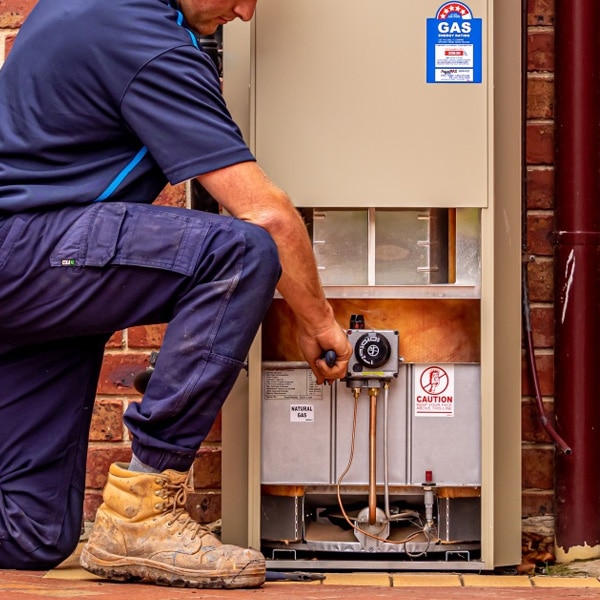
When your hot water system starts failing, one of the first questions most homeowners ask is: should I repair it, replace it, or install something completely new? The answer usually comes down to the age of the unit, the severity of the issue, and whether your current system still suits your household needs.
In general, replacing an existing hot water system is often more straightforward and cost-effective than installing a brand-new system from scratch. But there are situations where a new installation makes more sense long-term.
| Replacing an Existing Hot Water System | Installing a New Hot Water System |
| A replacement typically means removing the old unit and installing a new system in the same location, using the existing plumbing and connections. This is usually the quickest and most affordable option because the setup is already in place. Replacement is often recommended when: ☑️your system is nearing the end of its lifespan ☑️repairs are becoming more frequent ☑️parts are outdated or difficult to source ☑️the tank is leaking or corroded ☑️hot water supply is inconsistent or unreliable If you’re swapping your system for the same type (like electric-to-electric or gas-to-gas), the installation is generally more efficient and requires fewer modifications. | A new installation usually involves additional work beyond simply swapping out a unit. This may include relocating the system, upgrading pipework, or changing system types entirely (such as switching from electric to gas, or upgrading to solar or heat pump). A new install is typically required when: ☑️you’re building or renovatingthe system location needs to change ☑️you’re switching fuel types or system style ☑️existing plumbing or wiring is outdated ☑️your household size has changed and the current system no longer meets demand Because new installations often require extra plumbing, electrical work, or compliance upgrades, they tend to be more complex and can cost more than a standard replacement. |
When Replacement Is Cheaper Than Repair
In many cases, replacing a hot water system can actually be the smarter financial decision, especially if the unit is older.
Repairs may seem cheaper upfront, but they often become a short-term fix if the system is already old or worn out. If the unit is nearing the end of its expected lifespan, spending money on repeated callouts and parts can quickly add up.
Replacement is often the better option when:
- the system is over 8–12 years old (depending on type)
- the tank is leaking
- the repair is major (valves, burners, internal components)
- breakdowns are happening more than once
- energy efficiency is poor and power bills are climbing
In other words, if you’re paying to keep an old system alive, you’re often better off investing that money into a new unit that’s more reliable and efficient.
Key Takeaways
The right hot water system comes down to balancing upfront cost with long-term running expenses. Electric systems are cheaper to install but may cost more to run, gas sits in the middle, and heat pump or solar systems require a higher initial investment but offer the lowest ongoing costs.
Your best option depends on household size, daily hot water usage, and property constraints, with smart sizing playing a major role in performance and cost control. Site access, system changes, and installation complexity can also affect the final price.
If your hot water has stopped working or you’re planning an upgrade,GA PERRY provides professional hot water system supply, installation, replacement, and repairs across Perth and surrounding suburbs. Our licenced plumbers and gas fitters work across all major brands and system types, focusing on practical solutions that suit your home, usage, and budget; not one-size-fits-all recommendations.