Owning or renting a home comes with a lot to think about, and when you’re doing it for the first time, the list can feel endless! From general upkeep to unexpected fixes, there’s always something that needs attention. One area that often gets overlooked until something goes wrong is your plumbing.
The good news is that a lot of plumbing issues are preventable. With a bit of regular maintenance and a few simple checks, you can spot problems early, keep things running smoothly, and avoid most common plumbing headaches. In this post, we’ll walk you through practical, at-home plumbing maintenance tips that every new homeowner or renter should know
Key Takeaways
- Small checks prevent big problems. Regular plumbing inspections can help you catch leaks, corrosion, and blockages before they turn into costly repairs.
- Know where your main water shut-off valve is. In an emergency, being able to quickly turn off the water can prevent serious damage.
- Watch what goes down your drains. Avoid putting grease, food scraps, coffee grounds, and hygiene products down sinks or toilets to reduce the risk of blockages.
- Check for hidden leaks. Monitor your water bill and look for damp spots, mould, or dripping taps that may signal a plumbing issue.
- Maintain your hot water system. Periodic checks and servicing can extend its lifespan and help maintain energy efficiency.
- Clean drains regularly. Simple maintenance like flushing drains with hot water or mild solutions can help prevent build-up.
- Inspect visible pipes and fittings. Look under sinks and around appliances for corrosion, moisture, or loose connections.
- Protect your plumbing seasonally. Simple seasonal checks (like inspecting outdoor taps and hoses) help prevent damage.
- Don’t ignore slow drains or low water pressure. These are often early signs of bigger plumbing problems.
- Call a plumber when needed. DIY maintenance is helpful, but professional inspections can catch issues homeowners might miss.
Why Plumbing Maintenance Matters for New Homeowners
When you move into a new home, plumbing is rarely top of mind. The problem is, what starts as a “minor” problem can escalate quickly. Fortunately, plumbing maintenance is one of those areas where a little effort goes a long way. A small leak detected early might cost a few hundred dollars to fix. Leave that same leak unchecked, and once it causes structural damage, repairs can run into the thousands. On top of that, hidden leaks can waste thousands of litres of water every year, something you’ll only notice when the bills arrive.
Regular plumbing checks allow issues to be caught early, before they turn into expensive emergencies. Maintenance helps identify early signs of corrosion or wear, keeps water pressure consistent, uncovers hidden blockages, and ensures your hot water system is performing properly, especially during colder months when it’s under more strain.
Understanding Your Home’s Plumbing System
Before you can properly maintain your plumbing, it helps to understand how it actually works. You don’t need to be a plumber, but knowing the basics makes it much easier to spot early warning signs, prevent issues, and explain problems clearly if you ever need professional help.
The Basics of Residential Plumbing
Your home’s plumbing is made up of two main systems: the water supply system and the drainage system.
The water supply system delivers clean water throughout your home under pressure. It enters the house at the main water shut-off valve and then branches out into separate hot and cold water lines. Cold water comes directly from the water meter, while hot water is routed through the hot water system before reaching taps, showers, appliances, and toilets.
Hot water lines tend to develop issues faster than cold ones. The constant heating and cooling causes pipes to expand and contract, which puts extra stress on joints and fittings over time.
The drainage system does the opposite job. Instead of using pressure, it relies on gravity to carry wastewater away from your home. These pipes are wider than supply pipes and need the correct slope to work properly. When that slope is compromised, or when blockages form, water backs up quickly.
Common Plumbing Materials You’ll Encounter
The type of pipes in your home plays a big role in how long your plumbing lasts and how much maintenance it needs.
- Copper pipes are known for their durability and can last more than 50 years. They resist corrosion well but are more expensive, and repairs usually require soldering.
- PVC (polyvinyl chloride) is commonly used for drain and waste lines. It’s affordable, lightweight, and easy to work with, but it isn’t suitable for hot water applications.
- PEX (cross-linked polyethylene) is a modern favourite in newer homes. It’s flexible, resists freezing, and typically lasts 40 to 50 years. Its flexibility also means fewer joints, which reduces leak risk.
- Galvanised steel pipes are found in homes built before the 1960s. These pipes corrode from the inside out, leading to reduced water pressure and frequent blockages. Regular inspections are especially important if your home still has them.
- In older properties, lead pipes may also be present. These pose serious health risks and should be replaced as soon as possible.
7 Plumbing Tips Every New Homeowner Should Know
1. Locate and Label Key Plumbing Components Early
One of the most important plumbing tips for any new home is knowing where your water control points are, and finding them within your first week. In a plumbing emergency, those extra minutes of searching can mean thousands of dollars in water damage.
Finding the Main Water Shut-Off Valve
Your main water shut-off valve controls all water entering your home. If a pipe bursts or a major leak occurs, this valve is your first line of defence against flooding.
You’ll usually find it in one of these locations:
- Where the main water line enters the home
- Close to the hot water system or in a mechanical room
- Underground near the street, inside a small access box
Most valves close by turning clockwise. Quarter-turn valves need a simple 90-degree turn, while older gate valves require several turns. Test the valve once a year to make sure it moves freely, and never force it if it’s stuck.
Identifying Isolation Valves, Meters, and Cleanouts
Isolation valves allow you to shut off water to individual fixtures without cutting supply to the entire house. These are commonly found:
- Under sinks (separate hot and cold valves)
- Behind or beside toilets
- Behind washing machines and dishwashers
- On the inlet and outlet pipes of hot water systems
Modern isolation valves usually operate with a quarter-turn. Check them regularly to ensure they still move smoothly. Labelling each valve with waterproof tags makes emergencies far easier to manage.
2. What to Check Regularly
A simple inspection routine can help catch plumbing problems early. Some common areas to check and consider include:
- Early Signs of Leaks, Corrosion, or Mould: Yellow or brown stains on walls, ceilings, or floors are strong indicators of moisture issues. Peeling paint, bubbling wallpaper, or soft spots underfoot often point to hidden leaks. Check basements, garages, and utility areas for rust or corrosion on exposed pipes, as these can signal aging or failing plumbing.
- Smells, Dampness, and Warped Cabinetry: Musty odours, especially inside cupboards and cabinets, are often caused by hidden moisture. Under-sink areas deserve extra attention. Look for swollen cabinet floors, water stains, or visible dampness. Kitchen leaks often start from loose drainpipes, worn seals, or faulty water connections.
- Loose Fittings, Condensation, and Rust: Some condensation on pipes is normal during hot or humid weather. However, persistent moisture, dripping, or puddles that don’t dry up are signs of leaks. A simple test: wipe the pipe dry—if moisture quickly returns, it’s likely a problem. Rust on fittings or joints should always be addressed promptly.
3. Preventing Blocked Drains Before They Start
Preventing drain blockages is far easier than dealing with overflowing sinks or backed-up showers. A few habits can save you from major plumbing headaches.
Kitchen Drain Care and Grease Management
Fats, oils, and grease are the leading cause of kitchen drain blockages. Once cooled, they solidify inside pipes, trapping food debris and restricting water flow.
Best practices include:
- Never pouring grease or oil down the sink
- Scraping food into the bin before washing dishes
- Using a drain strainer to catch debris
- Wiping greasy cookware with paper towel before washing
Pouring boiling water down the kitchen drain weekly helps reduce buildup. A monthly baking soda and vinegar flush provides extra protection.
Bathroom Drain Maintenance
Hair and soap scum are the biggest culprits behind slow bathroom drains.
To keep drains clear:
- Install quality hair catchers in baths andshowers
- Brush long hair before showering
- Clean drain covers weekly
- Flush drains with hot water regularly
Rotating between drain cleaners designed for soap buildup and greasy residues helps prevent stubborn clogs.
4. Toilet Maintenance Every New Homeowner Should Know
Silent toilet leaks can waste thousands of litres of water each year. Be sure to check for silent leaks and running toilets. Here’s how:
Food Colouring Test:
1. Remove the cistern lid
2. Add 6–10 drops of food colouring to the tank
3. Wait 30 minutes without flushing
4. If coloured water appears in the bowl, there’s a leak
Common causes include worn flappers, faulty flush valves, or misaligned fill valves. Other warning signs include hissing sounds, phantom flushes, or streaks inside the bowl.
Proper Flushing Habits
Toilets are designed to handle human waste and toilet paper only. Flushing items such as wipes, paper towels, sanitary products, cotton buds, and hygiene products, even those labelled as “flushable”, can lead to serious blockages within your plumbing and sewer system. Many of these products don’t break down as easily as toilet paper and can build up inside pipes over time.
💡A simple solution is to keep a small, lined bin in the bathroom for non-flushable items. This reduces strain on your plumbing, lowers the risk of blockages, and helps avoid unexpected call-outs.
Regular toilet checks are also important. Inspecting components like the flush valve and seals once a year can prevent water wastage, improve performance, and help avoid sudden spikes in your water bill caused by hidden leaks.
5. Maintaining Taps, Showerheads, and Fixtures
Taps, showerheads, and everyday fixtures are some of the most used parts of your plumbing system, and also some of the easiest to overlook. Small issues in these areas can quietly waste huge amounts of water over time. In fact, a single dripping tap can waste up to 20,000 litres of water per year!
The good news is that most minor fixture problems are simple to fix when caught early, and regular checks can prevent them from developing into larger, more expensive repairs.
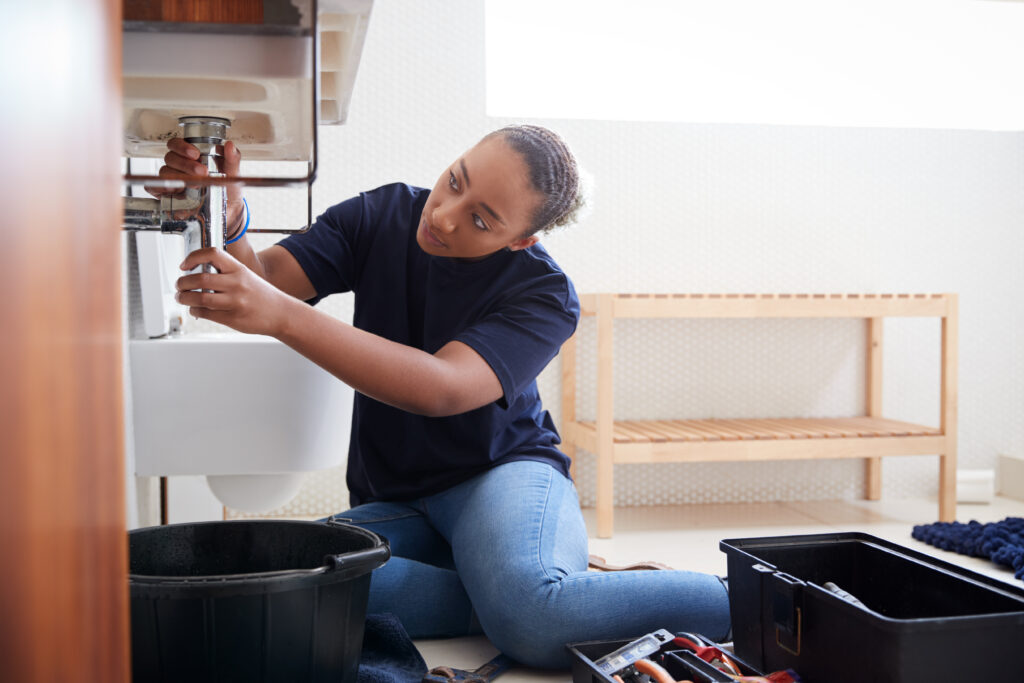
Fixing Minor Drips Early
Dripping taps are most commonly caused by worn washers, damaged O-rings, or failing cartridges inside the tap assembly. These components naturally wear down over time, especially in taps that are used frequently.
Many minor drips can be fixed with basic tools and a little patience:
- Turn off the water supply to the tap
- Remove the tap handle (usually secured with a screw beneath a decorative cap)
- Replace the worn washer, O-ring, or cartridge
- Reassemble the tap carefully and turn the water back on to test
When reassembling, avoid overtightening. Applying too much force can damage seals and cause new leaks to form. It’s also worth regularly checking the fittings under sinks for moisture, corrosion, or slow drips, these often indicate small problems that are easy to fix early but costly if ignored.
Cleaning Aerators and Showerheads
If your water pressure seems lower than usual, mineral buildup is often the culprit. Over time, minerals from the water supply collect inside tap aerators and showerheads, restricting water flow and reducing efficiency.
Cleaning these fixtures is quick and effective:
- Remove the aerator or showerhead
- Soak it in vinegar overnight to dissolve mineral deposits
- Gently scrub with an old toothbrush
- Rinse thoroughly and reinstall
Regular cleaning improves water pressure, ensures even spray patterns, and helps your fixtures last longer. It’s a simple maintenance habit that keeps your plumbing working efficiently and your daily routines running smoothly.
6. Hot Water System Maintenance Basics
Your hot water system is one of the hardest-working appliances in your home, and will rarely fail out of the blue. In most cases, they show clear signs that something isn’t working as it should, giving you time to act before you’re left with cold showers or a costly emergency repair.
Signs Your Hot Water System Needs Attention
Paying attention to early warning signs can help you avoid sudden breakdowns and extend the life of your system. Common indicators include:
- Fluctuating water temperatures: If your hot water goes from hot to lukewarm unexpectedly, it could indicate thermostat issues, failing heating elements, or sediment buildup affecting performance.
- Rumbling or popping noises: Strange noises often mean sediment has collected at the bottom of the tank. As the system heats water, trapped air bubbles push through the sediment, causing popping or rumbling sounds and forcing the system to work harder.
- Rust-coloured or discoloured water: Brown or rusty water from hot taps can signal internal corrosion or a deteriorating anode rod, which protects the tank from rusting.
- Reduced hot water supply: If your hot water runs out faster than usual, sediment may be taking up space inside the tank, reducing its effective capacity.
- Rising energy bills: When a hot water system becomes less efficient, it uses more energy to deliver the same results, often reflected in higher power or gas bills.
Simple Preventive Care Tips
Annual tank flushing helps remove sediment buildup that reduces efficiency and strains heating elements. The pressure relief valve should also be checked regularly, as it plays a critical safety role by preventing excessive pressure inside the tank.
For safety and efficiency, hot water temperatures at outlets should be set to 50°C in most homes, or 45°C in environments where children or elderly occupants are present. This helps prevent scalding while ensuring effective hot water delivery.
Finally, scheduling a yearly professional service allows potential issues to be identified early. A licensed plumber can assess system performance, check key components, and address minor faults before they turn into major (and expensive) failures.
7. Outdoor Plumbing and Drainage Checks
Outdoor plumbing components are exposed to far tougher conditions than anything inside your home. Weather, temperature changes, debris, and general wear all take their toll, which is why regular checks are essential.
Inspecting Garden Taps and Hoses
Check regularly for:
- Leaks when taps are fully turned off, which may indicate worn washers or internal damage
- Rust or corrosion around handles, joints, or fittings
- Cracks in exposedpipes, often caused by temperature changes or ageing materials
- Damp patches or water stains on exterior walls, which can signal hidden leaks behind the wall
Stormwater Drains and Gutters
Stormwater systems play a critical role in directing rainwater away from your home. When they’re blocked or damaged, water can pool around foundations, seep into walls, and create ideal conditions for mould growth.
Routine maintenance should include:
- Clearing leaves, dirt, and debris from gutters, downpipes, and surface drains
- Checking for sagging gutters, cracks, or loose fittings
- Flushing downpipes and drains with water to ensure proper flow
- Installing or maintaining drain grates to prevent debris from entering pipes
Seasonal inspections are best, with extra checks after heavy rainfall or storms. Ignoring stormwater maintenance can lead to serious foundation damage, internal water leaks, and long-term structural issues, problems that are far more expensive to fix than prevent.

| ✔ | Plumbing Tip | What to Do | How Often |
| ⬜ | Locate Main Water Shut-Off | Find the main shut-off valve and test that it turns easily. Label it clearly. | Once, then yearly test |
| ⬜ | Identify Isolation Valves | Locate valves under sinks, toilets, appliances, and hot water system. Label each one. | Once, check annually |
| ⬜ | Check for Leaks & Moisture | Inspect under sinks, cupboards, walls, ceilings, and exposed pipes for leaks, stains, or mould. | Monthly |
| ⬜ | Prevent Blocked Drains | Use drain strainers, avoid grease down sinks, flush drains with hot water regularly. | Weekly–Monthly |
| ⬜ | Inspect Toilets | Check for running toilets or silent leaks; inspect cistern components. | Every 6–12 months |
| ⬜ | Maintain Taps & Fixtures | Fix drips early, check fittings, clean aerators and showerheads. | Every 3–6 months |
| ⬜ | Check Outdoor Plumbing | Inspect garden taps, hoses, gutters, and stormwater drains for leaks or blockages. | Seasonally / After storms |
When DIY Is Safe vs When to Call a Plumber
Knowing when to grab the toolbox, and when to pick up the phone, can save you time, money, and a whole lot of stress. While basic DIY plumbing maintenance is a great way to stay on top of small issues, some jobs are best left to licensed professionals. Getting this balance right also helps protect your home, your insurance coverage, and any applicable warranties.
Plumbing Tasks That Are Safe to DIY
There are several low-risk plumbing tasks most homeowners can safely handle without a licence. These are typically maintenance jobs that don’t involve altering water supply systems or permanent pipework.
- Replacing tap washers or showerheads
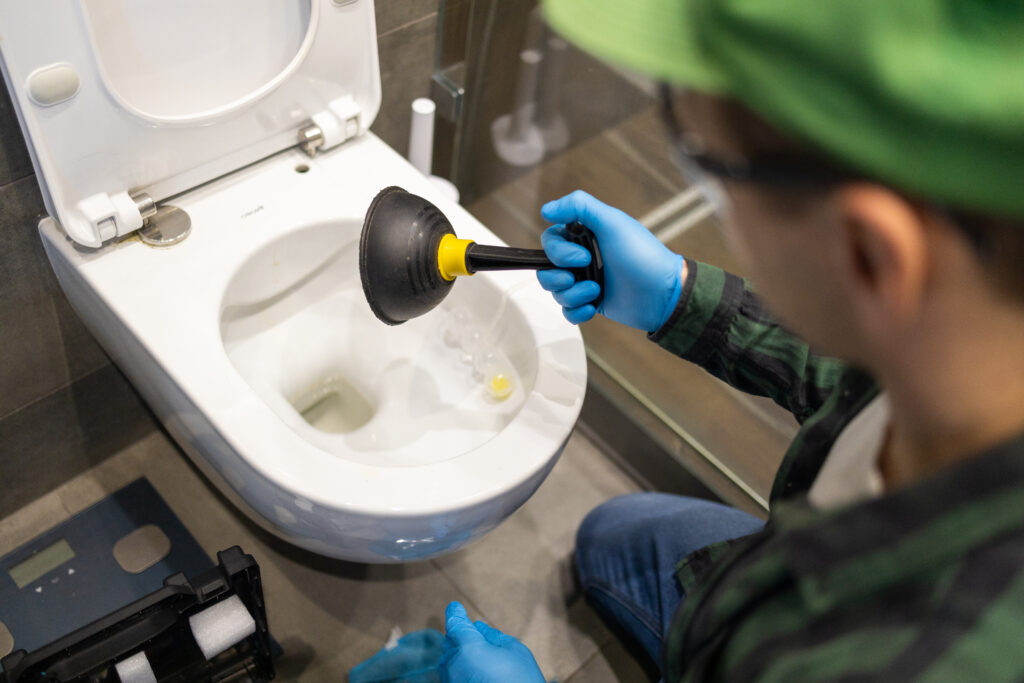
- Plunging or manually snaking drains to clear minor blockages
- Cleaning drain grates and replacing inspection caps
- Maintaining irrigation systems located downstream from backflow prevention devices
When You Should Call a Licenced Plumber
Some plumbing issues go beyond basic maintenance and require professional expertise. Attempting these repairs yourself can lead to bigger problems, void insurance policies, or breach local regulations.
You should always call a licensed plumber for:
- Major or recurring leaks
- Any visible water damage
- Multiple fixtures failing at the same time
- Corrosion inside tap bodies or pipework
- Fluctuating water pressure or persistent blockages
- Strange plumbing noises that won’t go away
- Hot water system repairs or installations
- Work involving drinking water lines, sewage systems, or gas connections
- Installing major fixtures such as toilets, sinks, or bathtubs
These issues often point to deeper system problems that need proper diagnosis and compliant repairs. Leaving them unchecked, or attempting a DIY fix, can quickly make matters worse and far more expensive.
It’s also important to keep records of all plumbing maintenance and repairs. Documentation helps protect your warranties and can be essential if you ever need to make an insurance claim. Many policies require licenced professionals to complete certain types of work, so knowing when to call one isn’t just smart.
When in doubt, it’s always safer to bring in a professional. A qualified plumber can resolve the issue properly the first time, giving you peace of mind and protecting your home in the long run.
Small Plumbing Habits That Protect Your Home Long-Term
Taking a preventative approach to your plumbing can save you thousands in repair costs, extend the life of your plumbing system, and help you avoid the stress that comes with unexpected (or expensive!) breakdowns.
Understanding the basics, like where your shut-off valves are and how to spot early warning signs, means you can act quickly before small issues become major problems. Routine inspections, sensible drain care, and timely fixture maintenance all go a long way in preventing leaks, water waste, and unexpected breakdowns.
When an issue goes beyond DIY, having a trusted plumber makes all the difference. If you need a plumber in Perth, our fully licenced and insured team is available 24/7 for fast, reliable repairs. Need help now or want peace of mind? We’ve got you covered.