A leaking tap can usually wait. Water pouring through the ceiling cannot.
When something goes wrong with your plumbing, it is not always obvious whether you need an emergency plumber or whether the problem can wait until normal business hours.
The easiest way to decide is to look at three things:
- Is water actively damaging your home?
- Is sewage backing up into the property?
- Is there a risk to your health or safety?
If the answer to any of these is yes, it is usually time to call an emergency plumber.
What Is Considered a Plumbing Emergency?
A plumbing emergency is any problem that needs urgent attention to prevent damage, restore an essential service or remove a safety risk.
Some plumbing problems are inconvenient. Others can become expensive very quickly if they are left alone.
What plumbing emergencies can GA PERRY help with?
- Burst pipes
- Major water leaks
- Overflowing toilets
- Sewage backing up through drains
- Completely blocked drains
- Hot water system leaks
- Loss of water supply
- Water leaking near electrical equipment
- Serious plumbing faults that are causing property damage
If you are unsure whether the problem is urgent, it is usually worth calling and explaining what is happening.
Burst Pipes
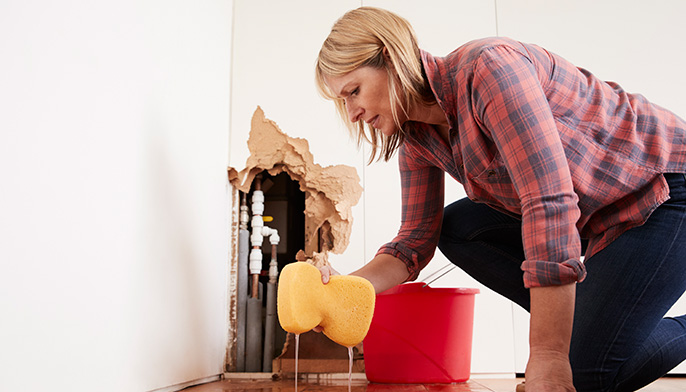
A burst pipe is one of the clearest examples of a plumbing emergency.
Even a small split in a pipe can release a large amount of water in a short period of time. That water can damage flooring, walls, cabinetry, furniture and electrical systems.
What Should You Do?
If you can safely do so:
- Turn off the main water supply.
- Move valuables away from the affected area.
- Use towels, buckets or containers to help control the water.
- Call an emergency plumber.
If water is near power points, appliances, switchboards or electrical wiring, avoid touching electrical equipment.
GA PERRY provides both plumbing and electrical services, which can be particularly useful when a plumbing leak has created an electrical concern.
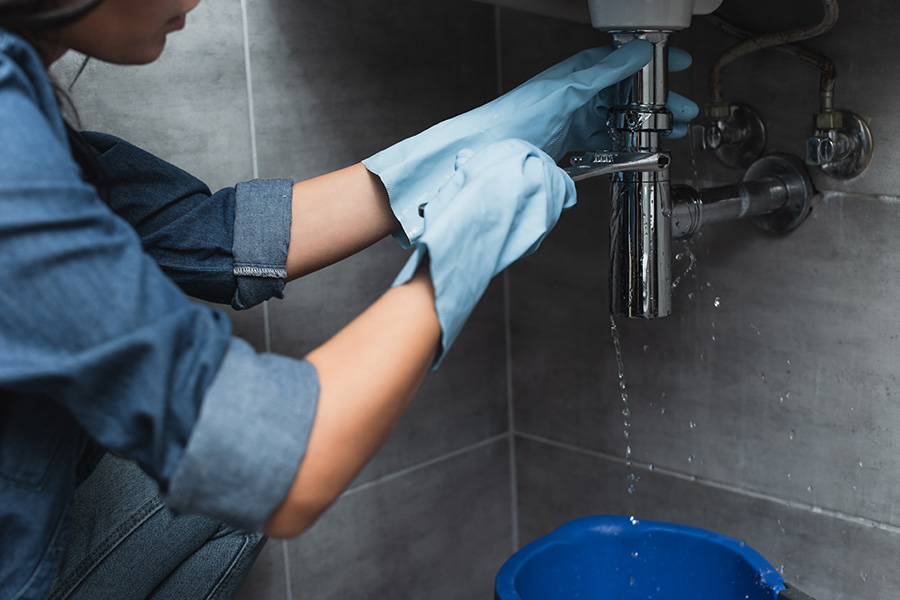
A Major Water Leak
Not every leaking pipe has burst completely.
You may notice:
- Water running down a wall
- Water appearing underneath cabinetry
- A wet patch on the ceiling
- Water pooling around a toilet
- A rapidly growing puddle
- A strong sound of running water when taps are turned off
If the leak is continuing and you cannot stop it, treat it as an emergency.
Turning off the water supply can help reduce the damage while you wait for a plumber.
Overflowing Toilet
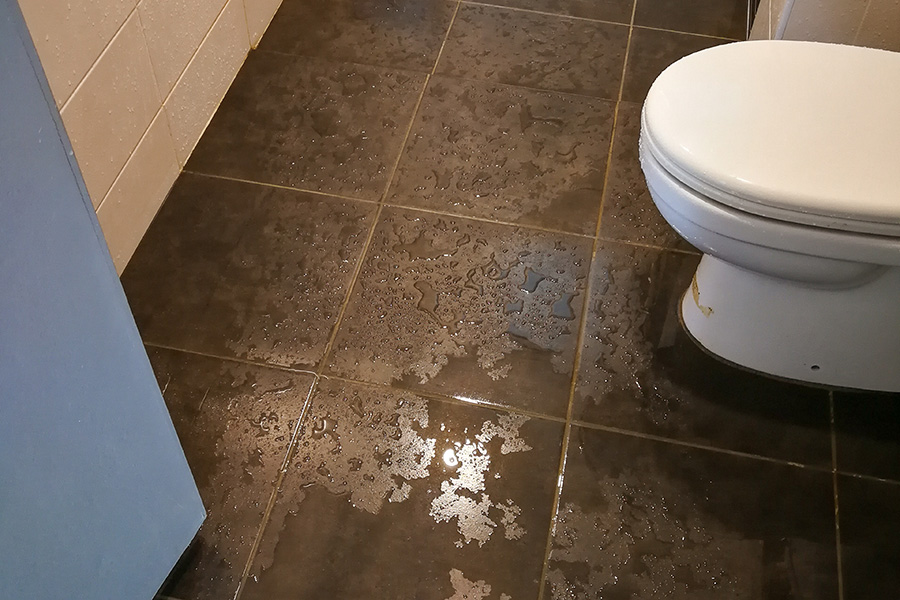
A blocked toilet becomes urgent when it starts overflowing or sewage begins entering the bathroom.
If the toilet is overflowing:
- Stop flushing it
- Turn off the water supply to the toilet if you can
- Keep children and pets away from the area
- Avoid using nearby fixtures if you suspect a larger drain blockage
- Call a plumber
Continuing to flush an overflowing toilet usually makes the problem worse.
If more than one toilet or drain is affected, there may be a blockage further down the drainage system.
Sewage Coming Back Up Through a Drain
Sewage backing up into your home should be treated seriously.
You might notice sewage or dirty water coming up through:
- Toilets
- Shower drains
- Floor wastes
- Laundry drains
- Outdoor drains
You may also hear unusual gurgling sounds or notice strong sewer smells.
A sewage backup can create a hygiene risk as well as damage flooring and surrounding areas.
Avoid using water throughout the property until the problem has been assessed.
Completely Blocked Drains
A slow drain is annoying, but it may not always be an emergency.
A completely blocked drain can be more serious, particularly if water is beginning to back up into the property.
You may be experiencing the following issues:
- Water not draining at all
- Toilets that will not flush properly
- Multiple drains blocking at once
- Water appearing through floor drains
- Gurgling noises
- Sewage smells
- Water levels rising when another fixture is used
If several drains are affected at the same time, the blockage may be in a main drainage line.
No Water Supply
If you suddenly lose water throughout the house, first check whether the problem affects neighbouring properties as well.
If the issue appears to be limited to your property, there may be a problem with:
- The incoming water supply
- Pipework
- Isolation valves
- A major leak
- Plumbing equipment within the property
A plumber can help identify whether the issue is coming from inside the property or from the water supply.
Hot Water System Problems
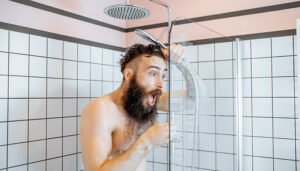
Losing hot water is inconvenient, but some hot water problems are more urgent than others.
Call for assistance if you notice:
- Water pouring from the hot water system
- Significant leaking around the tank
- Burning smells
- Electrical components getting wet
- Water that is dangerously hot
- A circuit breaker repeatedly tripping
- Unusual noises from the system
Do not remove covers or attempt electrical repairs yourself.
Because hot water systems can involve plumbing, gas or electrical components, correctly identifying the cause of the fault is important.
GA PERRY provides plumbing, gas, electrical and hot water services, so the problem can be assessed from more than one angle.
When Can a Plumbing Problem Wait?
Not every plumbing issue needs an emergency call-out.
Problems that may be able to wait include:
- A dripping tap
- A slowly draining sink
- A minor leak that has been safely isolated
- A toilet that still works but runs continuously
- Low water pressure that has developed gradually
- A minor plumbing repair that is not causing damage
However, a small problem can become an emergency if it suddenly gets worse.
If water starts spreading, the toilet overflows or the problem begins affecting several fixtures, it is worth calling sooner.
What Should You Tell the Plumber?
When you call, explain what is happening as clearly as you can.
Useful information includes:
- Where the problem is located
- When it started
- Whether water is still flowing
- Whether you have turned the water off
- Whether more than one drain or fixture is affected
- Whether water is near electrical equipment
- Whether there is sewage involved
- Whether your hot water system is affected
This information can help the plumber understand the likely urgency before arriving.
What Should You Do While Waiting for an Emergency Plumber?
The priority is to reduce damage without putting yourself at risk.
Where appropriate:
- Turn off the water supply
- Stop using affected toilets, taps or drains
- Move furniture and belongings away from leaking water
- Use buckets or towels to contain small amounts of water
- Keep people away from sewage
- Avoid electrical equipment that has been exposed to water
Do not start pulling apart pipes, hot water systems or electrical components unless you are qualified to do so.
Need an Emergency Plumber in Perth?
If you have water pouring into your home, an overflowing toilet, a major blockage or another urgent plumbing problem, getting onto it quickly can make a big difference.
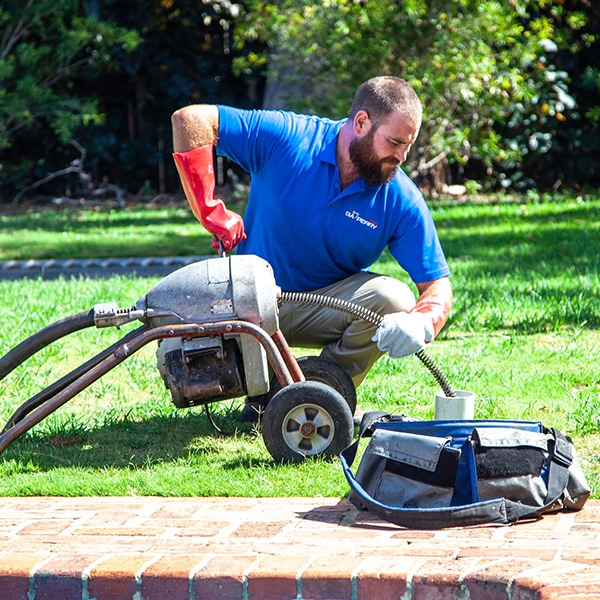
GA PERRY provides plumbing, gas, electrical and hot water services across Perth, helping homeowners deal with urgent faults and get essential services working again.
If you are dealing with a plumbing emergency, contact GA PERRY and explain what is happening so the problem can be assessed as quickly as possible.