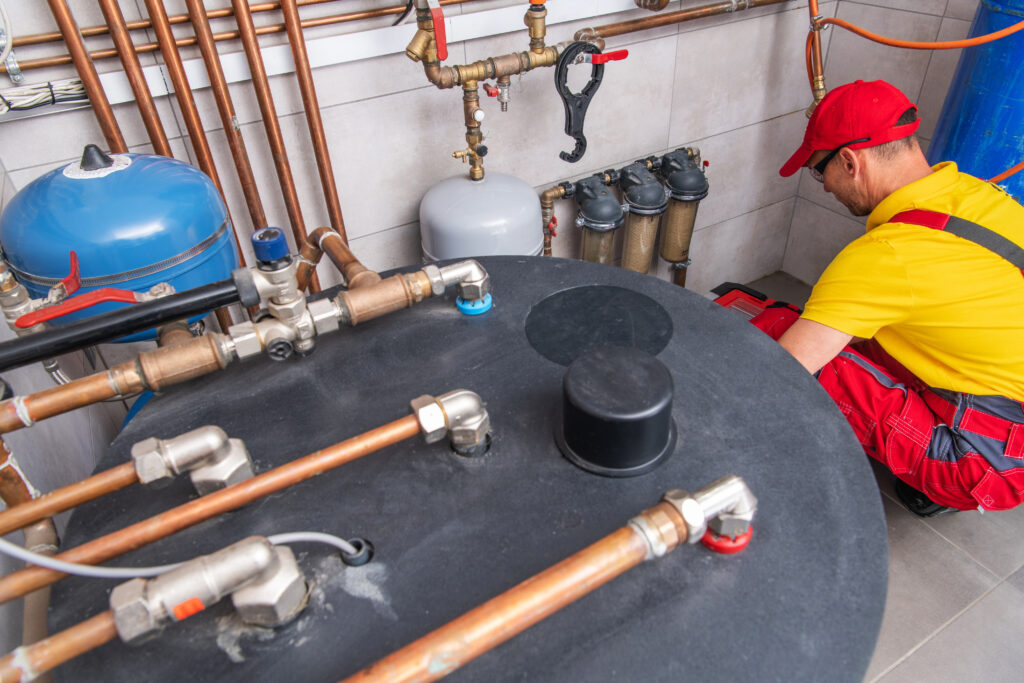
Like all appliances, your hot water system needs regular servicing to keep it running smoothly… yet it’s easy to forget or put off! And often, it’s not the big components that cause trouble, but a small, overlooked part: a valve.
Your hot water system relies on several valves to function safely and efficiently, but the most important of these is the temperature and pressure relief valve (TPR valve). This component prevents dangerous pressure build-up inside your tank. If it stops working properly, the results can range from a slow leak to something far more serious.
With over 129 years of combined experience servicing hot water systems across Perth, the GA Perry team has seen firsthand what happens when valves are neglected, and how simple, routine checks can prevent most problems before they start.
In this guide, we’ll explain what each valve does, how often they should be checked, the warning signs to watch for, and when it’s time to call in a licenced plumber.
Key Takeaways
- Test your TPR (pressure relief) valve every 6 months by lifting the lever and checking that hot water flows freely through the discharge pipe.
- Book a full professional service at least once a year. This should cover all valves, the sacrificial anode, a tank flush, and a general system health check.
- Don’t ignore warning signs like constant dripping from the discharge pipe, seized valves, rust or corrosion, pooling water, or unexplained spikes in your water or energy bills.
- Homeowners can safely test the TPR valve themselves, but replacing valves, checking gas components, and servicing the tempering valve should always be done by a licensed plumber.
- TPR valves typically last 5–8 years and should be replaced at the first sign of failure, it’s a small cost compared to the damage a faulty valve can cause.
- Regular valve maintenance extends your system’s lifespan (10–15 years with proper care) and helps you avoid costly emergency repairs, voided warranties, and safety hazards.
- In Western Australia, most hot water systems have two relief valves (hot and cold), both need testing.
What Are the Key Valves in Your Hot Water System?
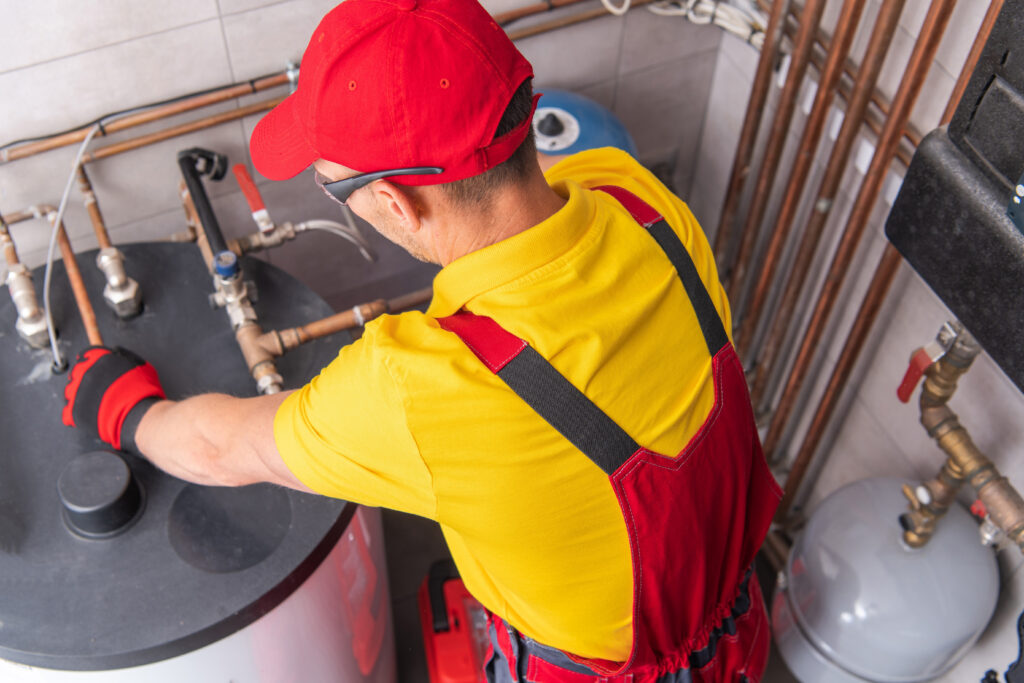
Most storage hot water systems have four key valves, and each one plays a different role in keeping your system safe and efficient.
1. Temperature and Pressure Relief Valve (TPR Valve)
The TPR valve is designed to open automatically if the temperature inside the tank exceeds approximately 99°C or if the pressure builds to an unsafe level. When it activates, it releases hot water through a discharge pipe to bring conditions back to a safe range.
Without a functioning TPR valve, there’s a real risk of the tank over-pressurising, which, in extreme cases, can lead to a rupture. Every storage hot water system in Australia is required to have one, and it should never be removed, blocked, or tampered with.
2. Cold Water Expansion Valve
When water heats up, it expands. The cold water expansion valve is fitted to the cold water inlet and is designed to relieve the pressure that builds as a result of this expansion.
It works alongside the TPR valve to keep internal pressure within safe limits. You’ll often notice a small amount of water dripping from this valve during heating cycles; that’s normal and a sign it’s doing its job.
3. Isolation Valve
The isolation valve allows you or your plumber to shut off the water supply to the hot water unit. This is essential during maintenance, repairs, or in the event of an emergency such as a leak.
It doesn’t regulate pressure or temperature, but if it seizes up or fails, it can make an already stressful situation much harder to manage.
4. Tempering Valve
The tempering valve blends hot water from the tank with cold water to deliver water at a safe temperature, a maximum of 50°C at the tap, as required by Australian Standards (AS/NZS 3500). This is particularly important for preventing scalding, especially in households with young children or elderly residents.
How Long Do Hot Water Valves Last? When Should They Be Replaced?
No valve lasts forever, but knowing the typical lifespan of each component helps you plan ahead and avoid surprises.
- TPR valves generally last between 5 and 8 years, though they should be replaced at the first sign of failure, regardless of age. A replacement valve is relatively inexpensive, especially when you compare it to the cost of the damage a faulty one can cause.
- Tempering valves have a typical lifespan of 5–10 years. If yours isn’t maintaining a safe output temperature, or if your plumber flags it during a service, it’s time for a new one.
- Isolation valves can often last the life of the system, provided they’re operated occasionally. Valves that are never turned tend to seize up over time, which makes them useless in an emergency.
- The sacrificial anode is another component worth mentioning here. While it’s not a valve, it directly protects your tank from internal corrosion, which in turn affects valve performance and overall system health. It should be checked annually and replaced approximately every 5 years.
| Valve | What It Does | Recommended Check Frequency |
| TPR (Pressure Relief) Valve | Releases excess pressure and temperature to prevent tank failure | Every 6 months |
| Cold Water Expansion Valve | Relieves pressure from water expansion during heating | Every 6 months |
| Isolation Valve | Shuts off water supply for maintenance or emergencies | Annually |
| Tempering Valve | Blends water to a safe delivery temperature (50°C max) | Every 12 months (by a licensed plumber) |
How Often Should You Check Your Hot Water Pressure Relief Valve?
It is recommended to test your hot water pressure relief valve every 6 months to once a year. This involves manually lifting the valve lever to make sure water flows freely through the discharge pipe. If it does, the valve is working as it should. If nothing comes out, or it only trickles, the valve may be seized, and you’ll need a licensed plumber to take a look.
💡It’s worth noting that in Western Australia, most hot water systems have two relief valves: a hot water relief valve and a cold water relief valve. Both should be tested at the same time.
Beyond the TPR test, a full professional service, covering all valves, the sacrificial anode, thermostat, and general system health, should be carried out at least once every 12 months. This is the minimum. If your system is older than five years, if you live in an area with hard water, or if your household uses a lot of hot water, more frequent inspections are a smart idea.
Seasonal factors can play a role, too. During winter, your hot water system works harder to meet demand, which puts more stress on valves and other components. Scheduling a professional check before the colder months is a practical way to avoid breakdowns when you need hot water most.
Always check your manufacturer’s manual for model-specific guidance as well; some systems have specific service intervals that differ from general recommendations.
Can You Test Your Hot Water Valves Yourself?
Testing the TPR valve is something homeowners can and should do as part of basic home maintenance. It’s quick, it’s straightforward, and it can help you catch problems early. Here’s how to do it:
DIY TPR Valve Test:
- Place a bucket under the discharge pipe connected to the valve.
- Gently lift the valve lever and hold it open for 3–4 seconds.
- Hot water should flow freely through the pipe into the bucket.
- Release the lever, the water flow should stop promptly.
- If nothing comes out, or the valve continues to drip after you release it, contact a licensed plumber.
💧A quick safety reminder: The water released from the valve will be very hot. Wear closed shoes, stand well back, and never force the lever if it feels stuck. If the lever won’t budge, that’s a sign the valve has seized and it’s time to call a professional.
While testing the TPR valve is safe enough for a homeowner to do, anything beyond that should be left to a licenced plumber. Servicing or replacing valves, inspecting the sacrificial anode, testing the tempering valve, and working on gas components all require specialist knowledge and equipment. Attempting these yourself can be unsafe and may void your manufacturer’s warranty.
Maintenance Tips for Longevity
Looking after your hot water system valves doesn’t require a lot of time or effort. A few simple habits can make a real difference to the lifespan and performance of your system.
- Make visual inspections a habit. Once a month, take a quick look at your hot water system. Check for puddles, drips, rust spots, or anything that looks out of the ordinary. Most hot water systems are tucked away in a cupboard or on the side of the house, so it’s easy to forget they’re there, but a two-minute visual check can catch problems early.
- Flush the tank regularly. Over time, sediment and minerals settle at the bottom of your hot water tank, reducing efficiency and putting extra strain on valves and heating elements. Flushing the tank every 6–12 months helps clear this buildup. While you can do a basic flush yourself by opening the drain valve, a thorough flush as part of a professional service is more effective.
- Stick to a professional servicing schedule. The easiest way to stay on top of valve maintenance is to integrate it with your annual hot water system service. A licensed plumber will test and inspect every valve, check the anode, flush the tank, and identify any parts that are due for replacement, all in a single visit.
Warning Signs Your Valves Need Attention
Even between scheduled checks, your hot water system can give you clues that something isn’t right. Knowing what to look for means you can act before a small issue turns into a costly repair, or a safety hazard.
Keep an eye (and ear) out for:
- Constant dripping or leaking from the relief valve. Discharge pipe is one of the most common early indicators. A small amount of water during heating cycles is normal, but a steady drip or pool of water underneath suggests the valve is faulty or that there’s excess pressure in the system. If no water flows when you lift the TPR lever, the valve is likely seized. This is a serious concern because it means the valve can’t release pressure in an emergency.
- Rust, corrosion, or visible mineral buildup on or around any valve is a sign of deterioration. Similarly, water pooling around the base of your hot water system often points to a failing valve or connection. Discoloured or rusty hot water coming from your taps may indicate internal corrosion, which can affect valves, the anode, and the tank itself.
- Fluctuating water temperatures, or water that’s suddenly too hot at the tap, may indicate a problem with the tempering valve. Unusual hissing, gurgling, or rumbling noises from the tank can signal excess pressure or sediment buildup affecting valve performance.
- A sudden spike in your water or energy bills is also worth investigating. Leaking valves waste water, and a system working harder than it should due to valve issues will draw more energy.
If you’re noticing any of these signs, don’t wait for your next scheduled service. Get a plumber in sooner rather than later. Catching problems early almost always saves you money compared to dealing with a full breakdown. If you’ve noticed your hot water tank is leaking, that’s another strong signal your system needs professional attention.
What Happens If You Don’t Get Your Valves Checked?
- A seized TPR valve is a genuine safety hazard. It’s the last line of defence against your tank over-pressurising. If it fails to open when it needs to, the pressure inside the tank has nowhere to go. While a catastrophic tank rupture is rare, it’s entirely preventable with routine checks.
- Leaking valves waste water and push your bills up. A faulty tempering valve can deliver water that’s too hot, creating a scalding risk.
- Corroded or neglected valves can also lead to broader tank damage, flooding, or complete system failure. A well-maintained hot water system typically lasts 10–15 years. Without regular servicing, that lifespan shrinks significantly, and you could be looking at a premature replacement (a far bigger expense than an annual service!)
- It’s also worth knowing that ignoring valve issues can void your manufacturer’s warranty. Most warranties include a clause requiring regular professional maintenance, and skipping it may leave you unprotected if something goes wrong.
Importance Of Professional Inspections & Maintenance
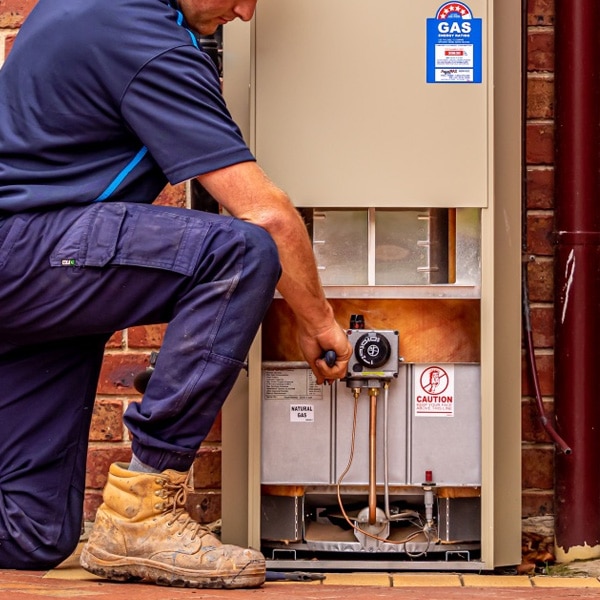
While minor visual checks can be done at home, there are limits to what DIY inspections can uncover. A licenced plumber brings years of training and experience, giving them the ability to spot hidden issues before they escalate into costly problems.
- Early Detection of Hidden Problems: Professional plumbers can identify leaks, corrosion, or valve failures that aren’t obvious during a casual visual inspection. Detecting these early can prevent minor issues from turning into major repairs, or even a full system replacement.
- Compliance with Safety Standards: Hot water systems are subject to strict safety regulations, particularly regarding pressure and temperature management. Professionals ensure your system is up to code, reducing the risk of accidents like scalding, over-pressurisation, or tank failure.
- Protection of Warranties and Insurance: Many manufacturers require professional servicing to keep warranties valid. A licensed inspection ensures all checks are documented and compliant, protecting your coverage in case repairs or replacements are needed.
- Optimised System Efficiency: Beyond safety, professional checks can improve your system’s efficiency. Plumbers can adjust valves, flush sediment, and fine-tune components to ensure your hot water system heats consistently while using less energy, which can save money on bills over time.
What’s Included in a Professional Hot Water System Service?
If you’ve never booked a professional hot water service before, here’s what you can typically expect. A qualified plumber will:
- Test and inspect the TPR valve and cold water expansion valve.
- Check the tempering valve for correct output temperature.
- Inspect the isolation valve and all connections for leaks or corrosion.
- Examine the sacrificial anode and recommend replacement if needed.
- Flush the tank to remove sediment buildup.
- Inspect the thermostat and heating elements (for electric systems) or the burner and gas components (for gas systems).
- Look for external signs of corrosion or wear on the tank.
- Test water pressure and temperature at the tap.
- Provide a written report and advise on any upcoming repairs or replacements.
Keep Your Hot Water System Safe and Reliable
From spotting early signs of leaks or corrosion to ensuring your pressure relief and isolation valves are working correctly, routine inspections help prevent costly problems and keep your system running smoothly for longer.
While some minor visual checks can be done at home, professional inspections are the best way to catch hidden issues and ensure compliance with safety standards. A little routine care goes a long way in avoiding unexpected breakdowns or damage.
Don’t wait until a leak or malfunction disrupts your morning routine. Contact the experts at GA PERRY for professional hot water valve inspections and servicing across Perth. Our licenced plumbers will ensure your system is safe, efficient, and reliable.