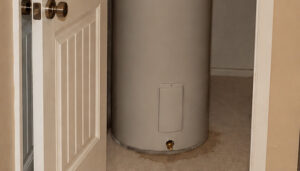
Gas appliances are a staple in Perth homes. Whether it’s the hot water system that powers your morning shower or the cooktop you use every night, there’s a good chance gas plays a bigger role in your household than you realise.
But when was the last time you actually had those appliances checked?
It’s a job that’s easy to push to the bottom of the to-do list… until something goes wrong. And with gas, that can quickly become a genuine safety hazard like a carbon monoxide leak.
The good news is that keeping your gas appliances in top shape doesn’t have to be complicated. Some checks you can do yourself in just a few minutes, and for the rest, a licensed gas fitter can take care of it during a routine service.
At G.A. Perry, we’ve been helping Perth homeowners with their gas fitting, plumbing, and hot water needs for decades. In this guide, we’ll walk you through everything you need to know about gas appliance maintenance; what to look for, what to leave to the professionals, and how preventative care can save you money, extend the life of your appliances, and most importantly, keep your household safe.
Key Takeaways
- Gas appliances should be professionally serviced every one to two years, depending on the appliance type.
- Basic visual checks, like monitoring flame colour and keeping vents clear, are simple things any homeowner can do between services.
- Yellow or orange flames, frequent pilot light issues, soot build-up, and unusual smells are all signs that something needs professional attention.
- Carbon monoxide is invisible and odourless, regular servicing and CO detectors are your best defence.
- In Western Australia, all internal gas appliance repairs must be carried out by a licensed gas fitter. This isn’t a DIY job.
- Routine maintenance can reduce your energy bills, extend appliance lifespan, and may be required to keep manufacturer warranties valid.
Understanding Your Gas Appliances
Before getting into maintenance, it’s important to know what you’re working with. Most Perth homes have at least two or three of the following gas appliances.
Common gas appliances include: gas stoves and cooktops, gas ovens, gas water heaters (both storage tank and instantaneous), gas ducted heaters and wall-mounted heaters, gas fireplaces, and gas dryers.
They all work on the same basic principle; natural gas or LPG is delivered to a burner, mixed with air, and ignited to produce heat. That heat is then used to warm water, cook food, or heat your home.
Key Components Every Homeowner Should Know
You don’t need to be a gas fitter to understand the basics. Here are a few components worth being familiar with.
- Burners are where the gas and air mix and ignite. Dirty or blocked burners are one of the most common causes of poor appliance performance.
- Thermocouples are small safety sensors that detect whether the pilot light is on. If the flame goes out, the thermocouple shuts off the gas supply to prevent leaks.
- Pilot lights and ignition systems are what get the flame started. Older appliances use a standing pilot light (a small flame that’s always on), while newer models use electronic ignition.
- Gas valves control the flow of gas into the appliance.
- Heat exchangers (found in heaters and hot water systems) transfer the heat from combustion to the air or water.
Why Gas Appliance Maintenance Is Essential
1. Enhanced Safety and Hazard Prevention
Poorly maintained gas appliances are the leading domestic source of carbon monoxide, a gas that’s completely colourless and odourless, which is exactly what makes it so dangerous. The distinctive “rotten egg” smell you associate with gas is actually a chemical called mercaptan, added specifically so that leaks can be detected. If you ever notice that smell, don’t ignore it!
Early symptoms of CO exposure include:
- Headaches
- Dizziness
- Nausea
- and fatigue.
Regular servicing ensures your appliances are burning gas cleanly and venting combustion products safely outside your home. Beyond carbon monoxide, neglected appliances can also create fire hazards, from gas leaks near ignition sources to overheating components. Routine maintenance significantly reduces these risks.
2. Improved Energy Efficiency and Lower Costs
When burners are dirty, filters are clogged, or gas pressure is sitting outside the correct range, your appliances have to work harder to deliver the same result. That means higher gas bills for the same amount of heat or hot water.
Regular servicing keeps everything running as the manufacturer intended. Given that heating alone accounts for roughly a third of a typical home’s energy costs, even small efficiency improvements can add up over the course of a year.
3. Extended Appliance Lifespan
A well-maintained gas hot water system can last anywhere from 10 to 15 years. Without regular servicing, that lifespan can drop significantly as minor issues like soot build-up, corroded parts, or a weak pilot light turn into major (and expensive) problems.
It’s also worth checking your warranty documentation. Many manufacturers require evidence of regular professional servicing to keep the warranty valid. Skip the maintenance and you could be footing the full bill for a replacement.
4. Recommended Service Intervals
- Most gas appliances should be professionally serviced every one to two years to maintain safe and efficient performance.
- Gas heaters should generally be inspected at least every two years to ensure safe combustion and proper ventilation.
- Gas hot water systems often require a major professional service every five to six years, with basic homeowner checks, such as testing the temperature and pressure relief (TPR) valve, performed every six months.
💡Seasonal tip: book your gas heater service in April or May, before the winter rush. You’ll avoid longer wait times and make sure your home is warm and ready when the cold sets in.
DIY Gas Appliance Checks You Can Do at Home
There are several useful things you can do between professional services to keep an eye on your appliances:
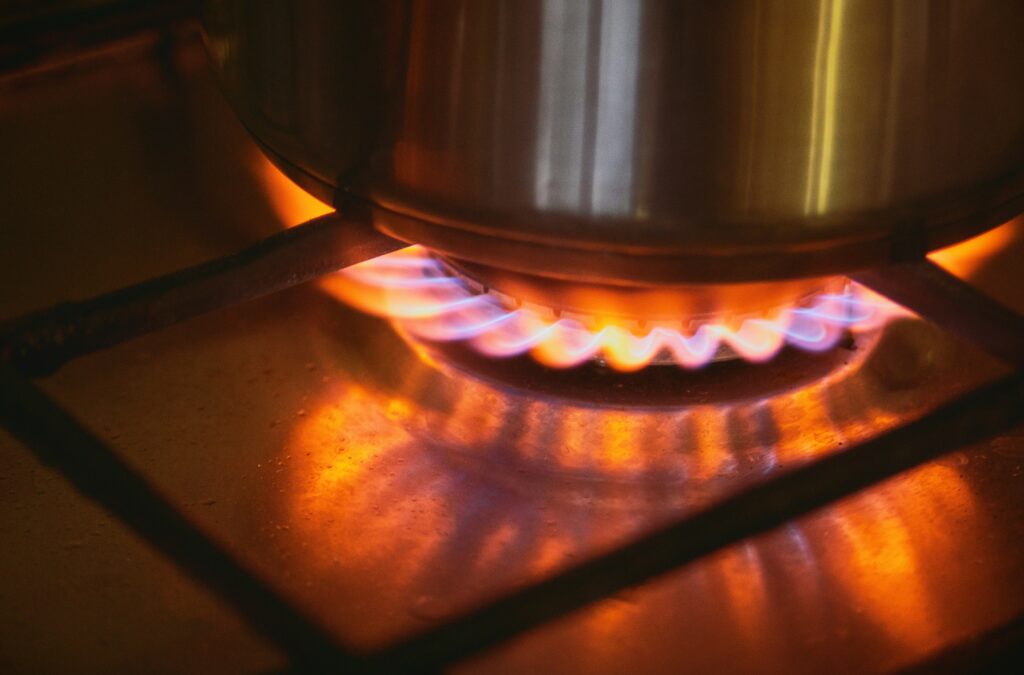
- Check the flame colour on your burners. A healthy gas flame should be a crisp blue colour with a small, well-defined inner cone. If you’re seeing yellow, orange, or flickering flames, that’s a sign of incomplete combustion and your appliance needs professional attention.
- Listen for unusual sounds. Hissing near gas connections could indicate a leak. Popping or banging from a hot water system may point to sediment build-up. Any noise that wasn’t there before is worth investigating.
- Inspect visible connections and hoses. Look for signs of wear, cracking, or corrosion on any hoses or fittings you can see. This is particularly important for gas BBQs and outdoor appliances that are exposed to the elements.
- Test your TPR valve (hot water systems). The temperature and pressure relief valve is a critical safety device. Every six months, you can carefully lift the lever to release a small amount of water, then close it. If it’s stuck or continues to drip, call your plumber — it likely needs replacing. Wear protective clothing and stand clear, as the water will be very hot.
- Clean air filters on ducted gas heaters. This is one of the simplest and most effective things you can do. A dirty return air filter restricts airflow, forces the system to work harder, and can lead to overheating. Check and clean it monthly during winter.
- Keep the area around appliances clear. Gas appliances need space for adequate ventilation and safe operation. Don’t stack boxes, cleaning products, or pressure packs near or on top of gas appliances.
- Install and test carbon monoxide detectors. These are inexpensive, widely available, and provide an important additional layer of protection, especially in bedrooms and living areas near gas appliances.
⚠️Important Note: These are visual and basic checks only. Never attempt to open up, disassemble, or repair the internal components of a gas appliance yourself. if anything looks, sounds, or smells wrong, turn off the appliance, ventilate the area, and call a licenced gas fitter.
Warning Signs Your Gas Appliance Needs Professional Attention
Don’t wait for your next scheduled service if you notice any of the following:
- Yellow, orange, or sooty flames on any gas burner (a healthy flame should be blue).
- A pilot light that frequently blows out or makes a “pop” sound when igniting.
- Soot or black marks accumulating around the appliance.
- Walls or panels near the appliance becoming unusually hot or discoloured.
- A smell of gas when the appliance is switched off.
- An unexplained increase in your gas bills.
- Physical symptoms like headaches, nausea, or drowsiness when the appliance is running.
- Unusual noises from your hot water system, such as banging or rumbling.
- An appliance that struggles to ignite or shuts itself off repeatedly.
Smell Gas? Here’s What to Do Now. Do NOT operate any electrical switches, lights, or mobile phones nearby.Turn off the gas supply at the meter, if it’s safe to do so. Open all doors and windows to ventilate the area.Leave the property immediately.Call your gas supplier’s emergency line or a licensed gas fitter from a safe location outside. Noticed any of these warning signs? Don’t wait. Call GA Perry on 08 9475 1500 for prompt, professional advice.
Top Maintenance Tips by Appliance
| Appliance | Recommended Service Interval | Maintenance / Care Tips | Warning Signs / Issues |
| Gas Hot Water (Storage) | Major service every 5–6 years; TPR valve test every 6 months | Flush tank periodically to remove sediment; inspect anode rod for corrosion; test TPR valve; visual inspection for leaks or damage | Leaking, discoloured water, rumbling noises |
| Gas Hot Water (Instantaneous / Continuous Flow) | Every 2 years | Professional inspection to check for scale build-up; visual inspection of exterior; ensure proper operation | Temperature fluctuations, error codes |
| Gas Heater (Ducted) | Every 1–2 years | Professional servicing; clean return air filter monthly; check ducting for obstructions | Uneven heating, strange smells, yellow flame |
| Gas Heater (Wall / Portable) | Every 1–2 years | Keep vents unobstructed; check pilot light and burners; clean exterior surfaces | Yellow flame, soot marks, pilot light issues |
| Gas Cooktop / Oven | Every 2 years (or as needed) | Keep burner ports clean; wipe down surfaces to prevent grease build-up; check control knobs and igniters; recalibrate oven if needed; inspect door seals and gaskets | Irregular flame, difficulty igniting, gas smell; uneven cooking; heat loss from worn seals |
| Gas Fireplace | Annually | Professional inspection; visually check logs, glass panel, and surrounding area; keep area clear of debris; check for soot build-up | Soot accumulation, delayed ignition, uneven flame |
| Gas BBQ | Annually (before summer) | Inspect hoses and connections for cracks; ensure proper flame; maintain ventilation around appliance | Cracked hoses, weak flame, gas smell |
| Gas Stove / Cooktop (General Tips) | As needed | Clean burner ports and surfaces; check igniters and knobs; unclog gas jets with fine needle if needed | Uneven flame, burner not igniting, gas smell |
| Gas Oven (General Tips) | As needed | Clean interior with non-abrasive methods; keep broiler burner free of grease; recalibrate temperature if uneven | Uneven cooking, oven too hot/cold, seal leaks |
| Gas Fireplace / Outdoor Gas Appliances (General Tips) | Annual checks recommended | Visually inspect logs, panels, hoses, and connections; ensure proper ventilation; avoid using outdoor appliances indoors | Delayed ignition, soot build-up, gas smell |
Why You Should Always Use a Licensed Gas Fitter
Gas fitting and maintenance is not a DIY job. In Western Australia, all gas fitting work must be carried out by someone holding the appropriate certificate of competency under the Gas Standards Act 1972 and the Gas Standards (Gasfitting and Consumer Gas Installations) Regulations 1999.
Attempting gas repairs yourself, or hiring someone who isn’t properly licensed, puts your family’s safety at risk and could void your home insurance.
A licensed gas fitter brings the right training, experience, and calibrated equipment to do the job safely and correctly. They can also issue a Certificate of Compliance for the work completed, which serves as your official record that the appliance has been professionally serviced and meets the required standards.
What to Expect During a Professional Service
standard gas appliance service usually includes:
- Thorough inspection of all components for rust, corrosion, or wear.
- Cleaning of burners, injectors, and heat exchangers.
- Testing of gas pressure and safety shutdown mechanisms.
- Inspection of flues and ventilation pathways.
- Carbon monoxide emission testing using calibrated equipment.
Ready to book? Get in touch with our licensed gas fitters today or call us on 08 9475 1500.
Keep Your Home Safe, Efficient, and Worry-Free
Gas appliance maintenance might not be the most exciting chore, but regular upkeep protects your family from carbon monoxide and gas leaks, keeps appliances running efficiently, extends the life of costly equipment, and ensures you stay compliant with WA regulations and manufacturer warranties.
At G.A. Perry, our licensed gas fitters and plumbers have been keeping Perth homes safe and running smoothly for decades. Whether it’s routine servicing, hot water system repairs, or urgent emergencies, we’re just a phone call away.
Frequently Asked Questions
How often should gas appliances be serviced?
Most gas appliances should be professionally serviced every one to two years. Gas heaters should be checked at least every two years, while gas hot water systems benefit from a major service every five to six years with basic homeowner checks (like the TPR valve) every six months in between. Always check your manufacturer’s guidelines for specific recommendations.
What are the signs that a gas appliance needs maintenance?
Common warning signs include yellow or orange flames (instead of blue), a pilot light that frequently goes out, soot or black marks around the appliance, unusual smells, unexplained increases in gas bills, and physical symptoms like headaches or nausea when the appliance is running.
Is it safe to clean gas burners myself?
Yes, you can safely clean the exterior of burner ports and remove food debris from cooktops. However, you should never disassemble or attempt to repair internal components. If cleaning the surface doesn’t resolve the issue, call a licensed gas fitter.
Why is my gas flame yellow instead of blue?
A yellow or orange flame usually indicates incomplete combustion, which means the gas isn’t burning efficiently. This can be caused by dirty burners, incorrect air-to-gas ratio, or a more serious issue with the appliance. It should be inspected by a professional, as incomplete combustion can also produce carbon monoxide.
Can poor maintenance increase gas bills?
Absolutely. Dirty burners, clogged filters, and incorrect gas pressure all force your appliances to use more gas to produce the same output. Regular servicing helps keep everything running efficiently, which often translates to noticeable savings on your gas bills.
What should I do if I smell gas in my home?
Do not operate any electrical switches or phones nearby. Turn off the gas at the meter if safe, open all doors and windows, leave the property, and call your gas supplier’s emergency line or a licensed gas fitter from a safe location outside.
Do all gas appliances require professional inspection?
Yes. While you can perform basic visual checks yourself, all gas appliances benefit from periodic professional servicing. In WA, any internal repair or servicing work on gas appliances must legally be carried out by a licensed gas fitter.
How can I improve the efficiency of my gas stove or heater?
Keep burner ports clean, replace or clean air filters regularly (monthly for ducted heaters during winter), ensure adequate ventilation around the appliance, and have it professionally serviced on schedule. Even small maintenance steps can improve performance and reduce running costs.
Are older gas appliances less safe or efficient?
Not necessarily, provided they’ve been well-maintained. However, older appliances may lack modern safety features and can become less efficient over time as components wear. If your gas appliance is more than 15 to 20 years old, it’s worth having a professional assess whether it should be repaired, serviced, or replaced with a more efficient model.